
Your privacy is important to us. We don't use third-party cookies or trackers and we don't store your personal information.


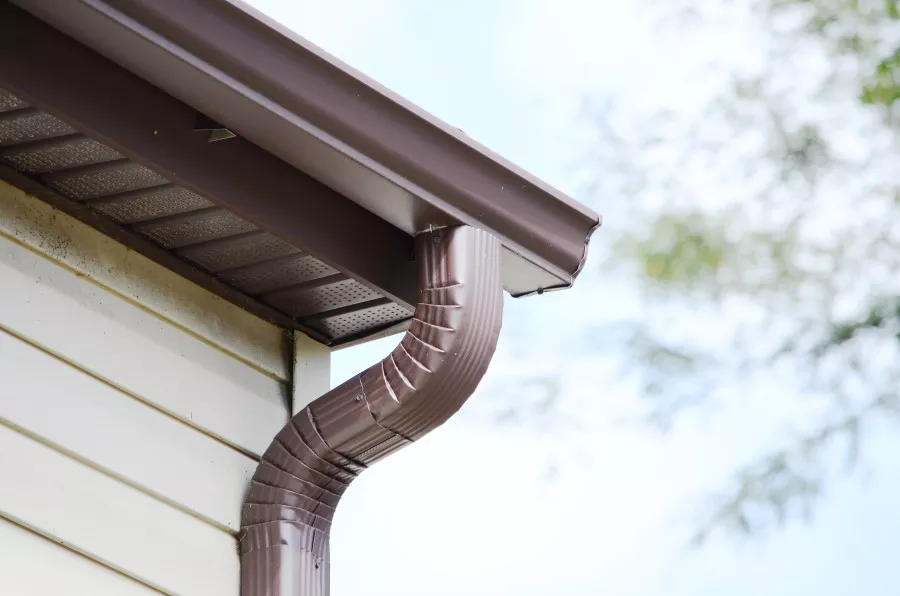


Gutters and downspouts are an important part of your homeâs exterior. They help direct rainwater away from your homeâs foundation, mitigating potential water damage that can occur as a result of excessive moisture. Without properly functioning gutters, your home is vulnerable to severe water damage, costly repairs, and even the potential for mold growth. Installing new gutters on your home can be a DIY project that increases the value of your home and helps protect it from water damage.
The first step in installing new gutters is to measure the area where the gutters will be installed. Make sure to measure the length of the fascia boards, the distance between the roofline and the fascia boards, and the roof pitch. Once you have the measurements, you can cut the gutters to the correct size. Itâs important to use a sharp saw and a straight edge when cutting the gutters for best results. After the gutters have been cut, you can move on to the next step.
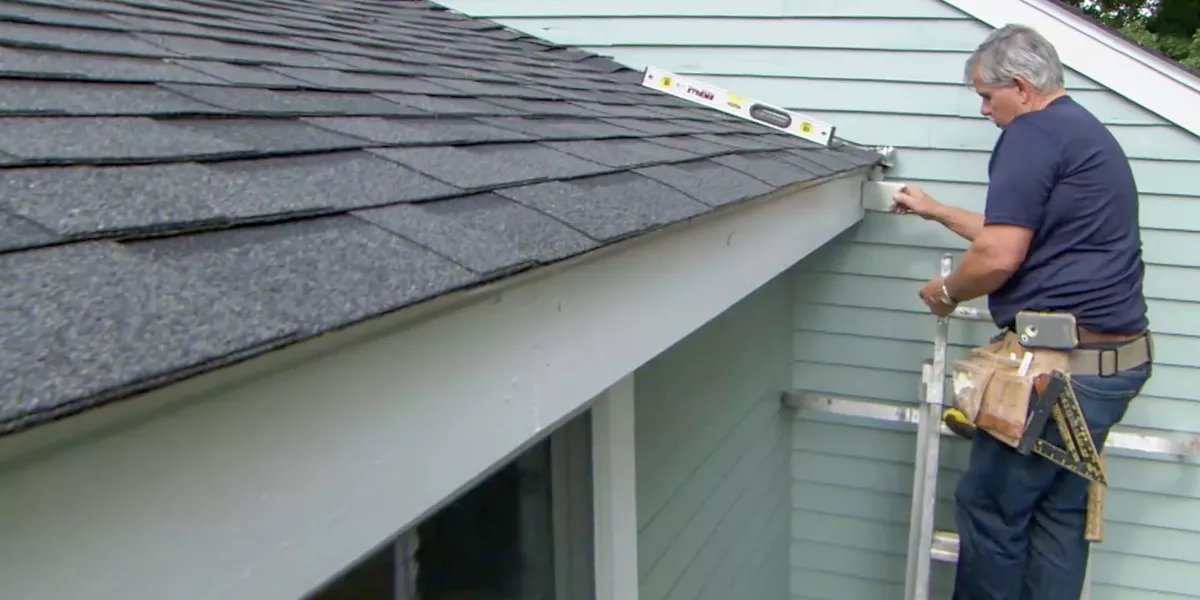
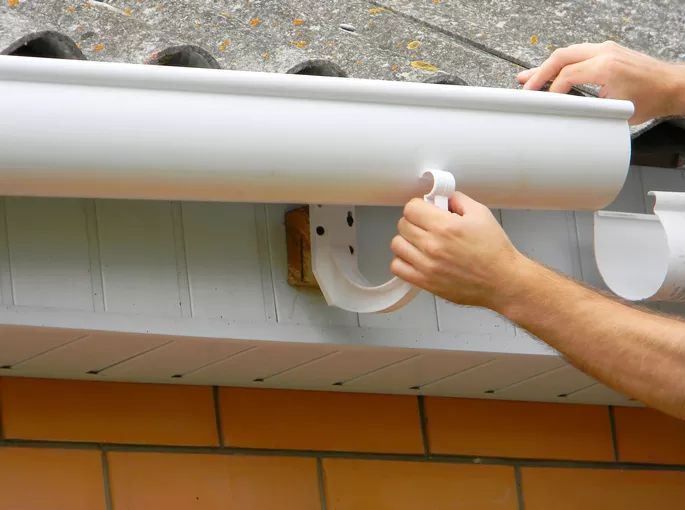
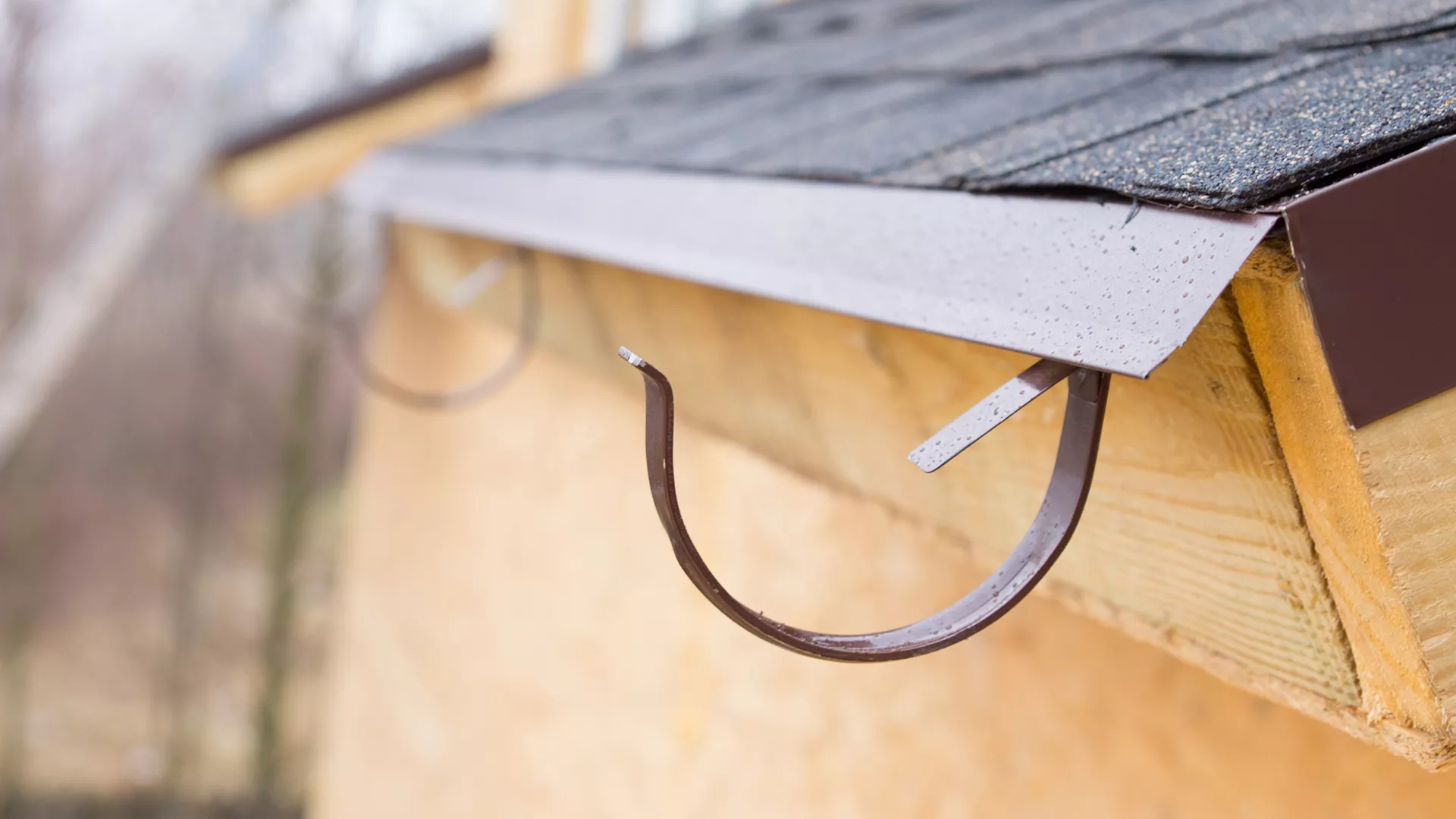
Gutter hangers are the brackets that attach the gutters to the fascia boards. Make sure to use corrosion-resistant hangers that are strong enough to support the weight of the gutters. Screw the hangers in place along the length of the fascia boards, spacing them out correctly according to the manufacturerâs instructions. Pay close attention to the instructions and make sure the hangers are securely attached.
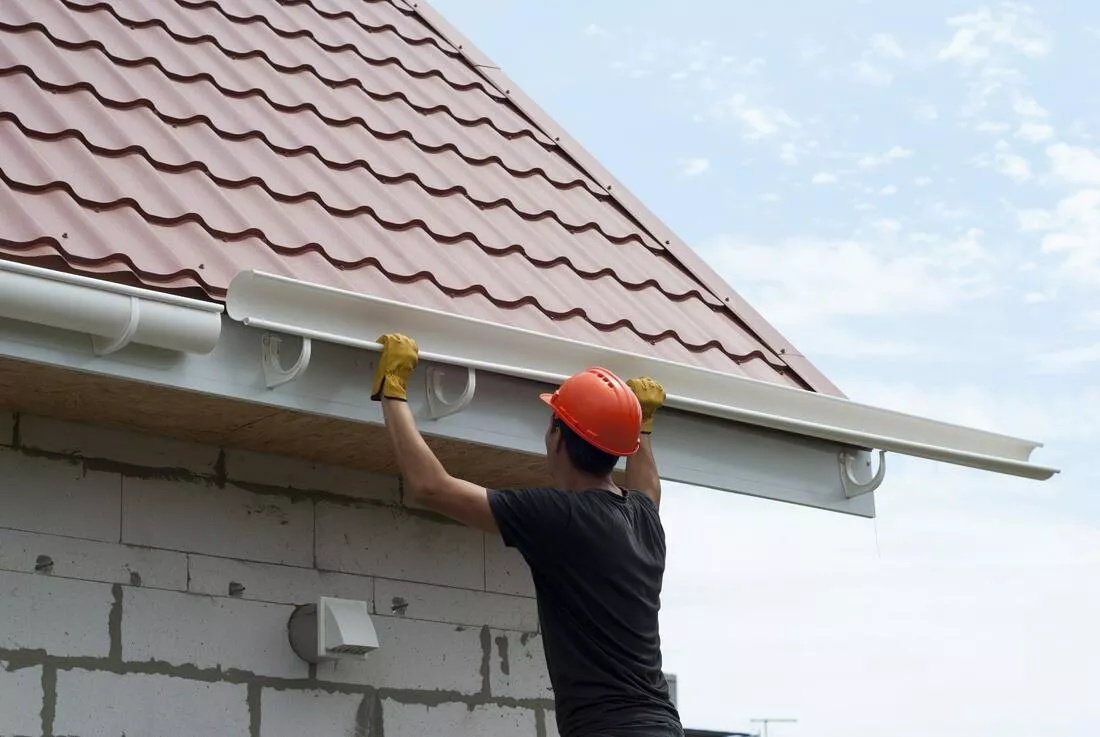
After the gutter hangers have been installed, itâs time to install the downspouts. Cut the downspouts to the desired length and then attach them to the gutters. Make sure to use corrosion-resistant screws and sealant to ensure a watertight seal. When attaching the downspouts to the gutters, use a level to ensure they are level and secure.
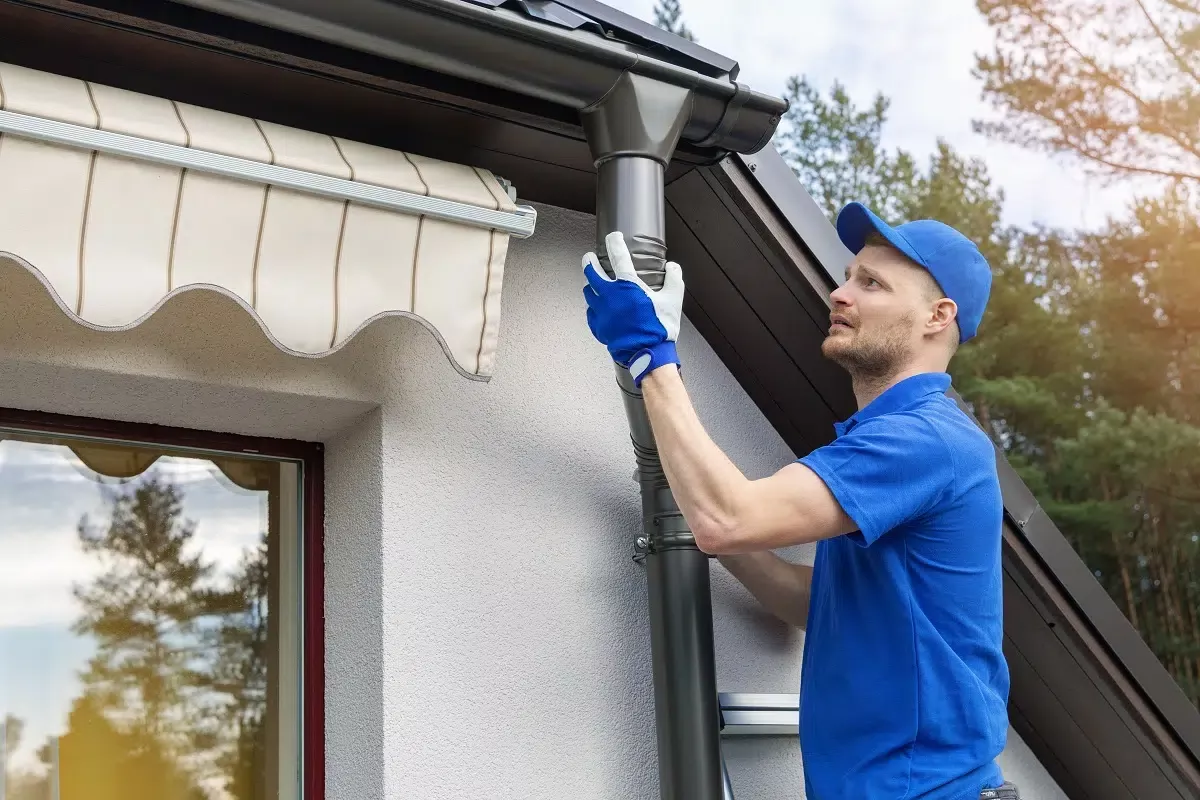
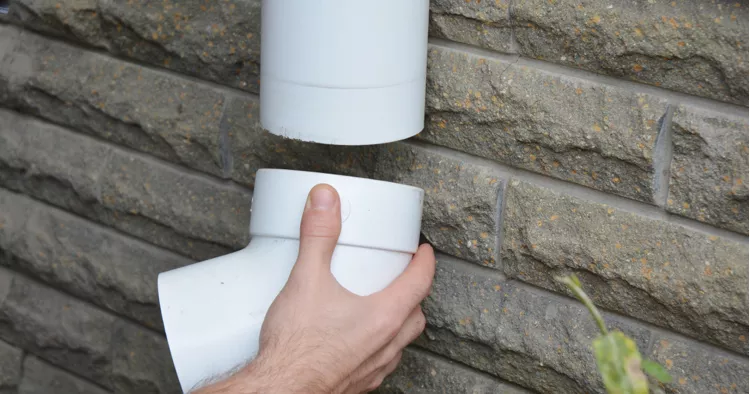
Gutter extensions, also known as splash blocks, are placed at the end of the downspouts to direct the water away from the foundation of the house. Place the gutter extensions at least 10 feet away from the house and make sure they are securely attached to the downspouts. Use corrosion-resistant screws and sealant to ensure a watertight seal and make sure the extensions are level.
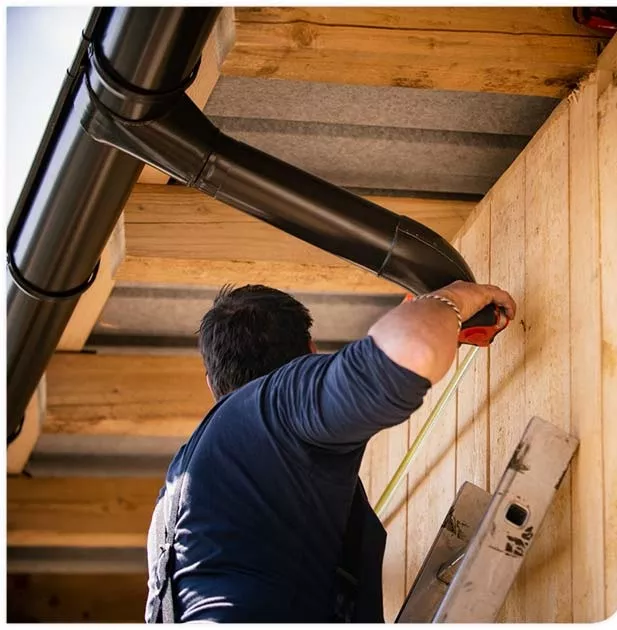
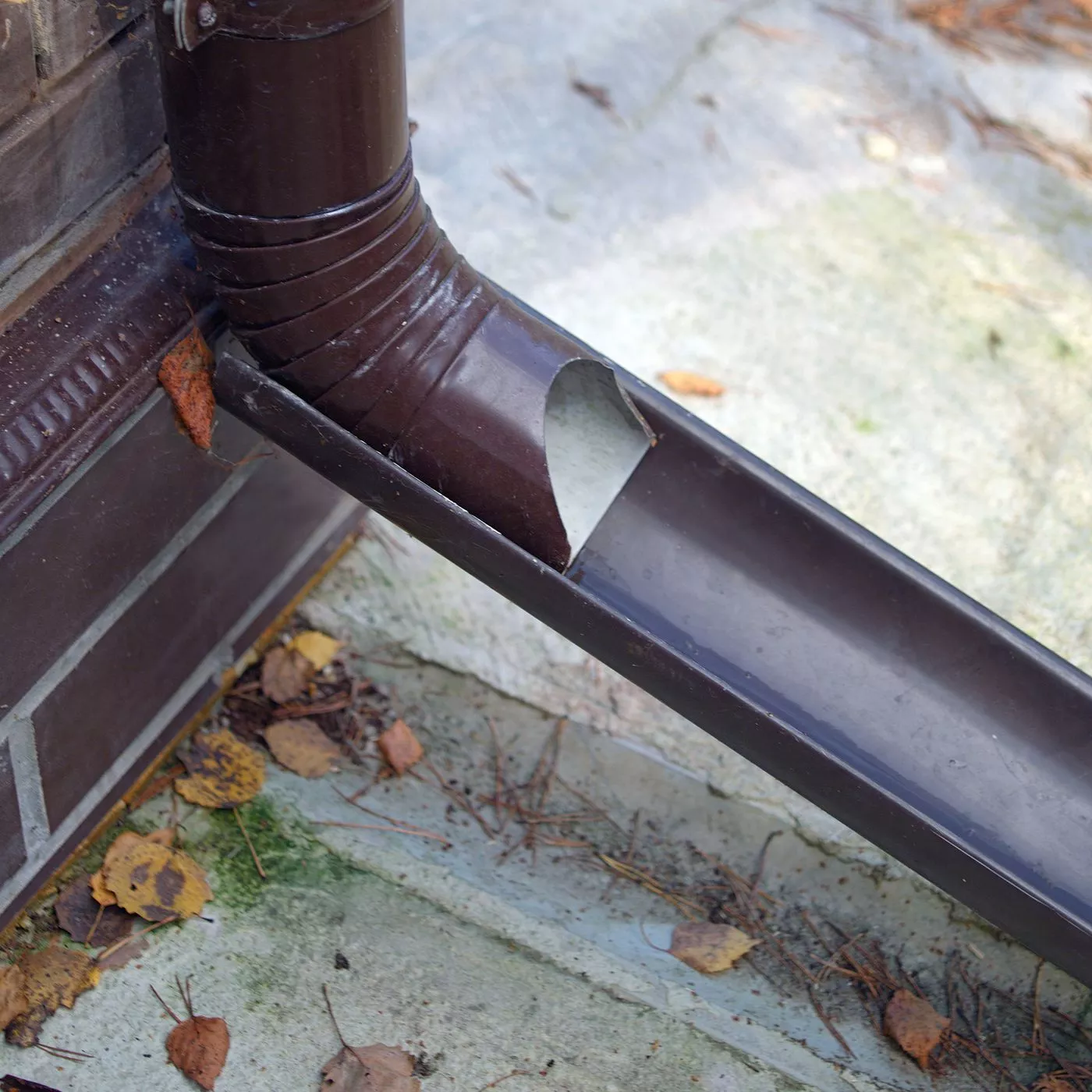
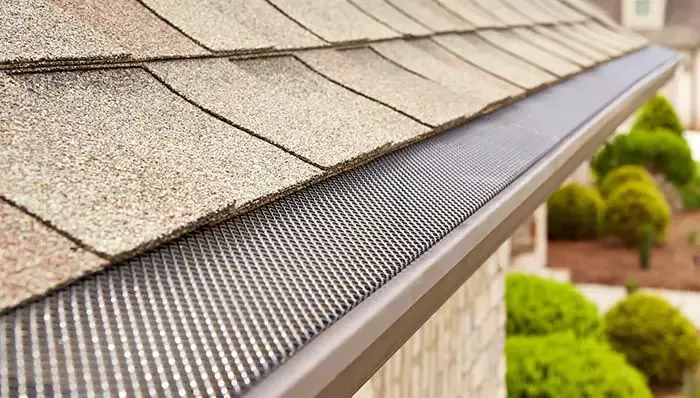
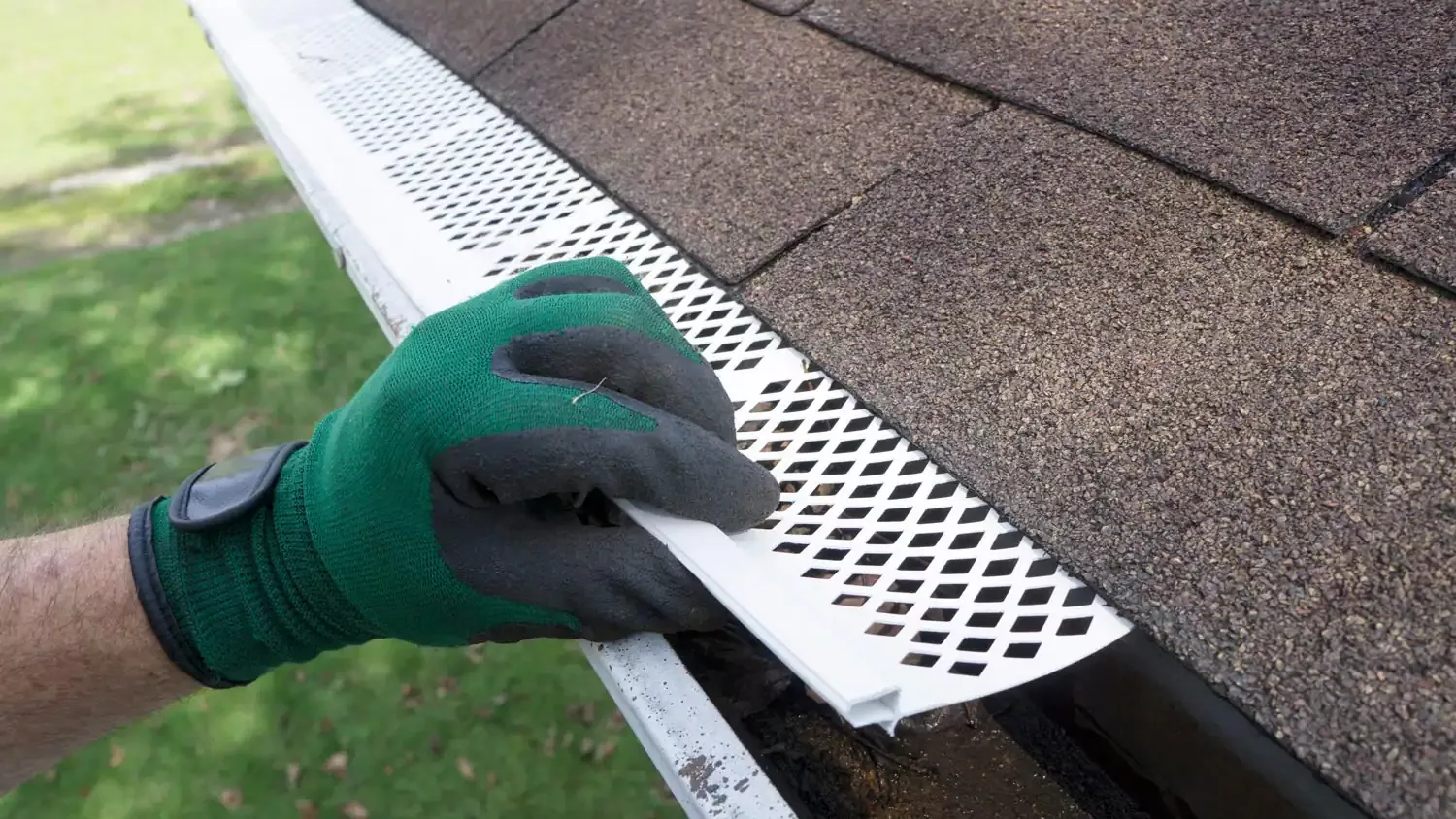
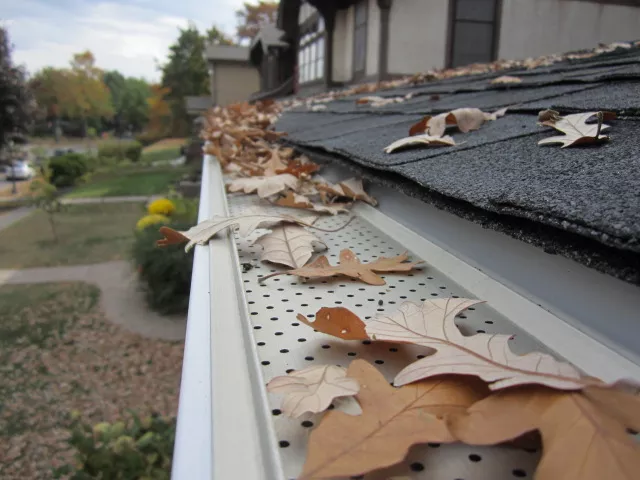
Gutter covers are designed to keep debris such as leaves, branches, and other materials out of the gutters. This will help prevent clogs and help the gutters function properly. Secure the covers with screws, making sure to use corrosion-resistant screws. Measure the length of the gutter and cut the covers to fit, then attach them to the gutters with the screws.
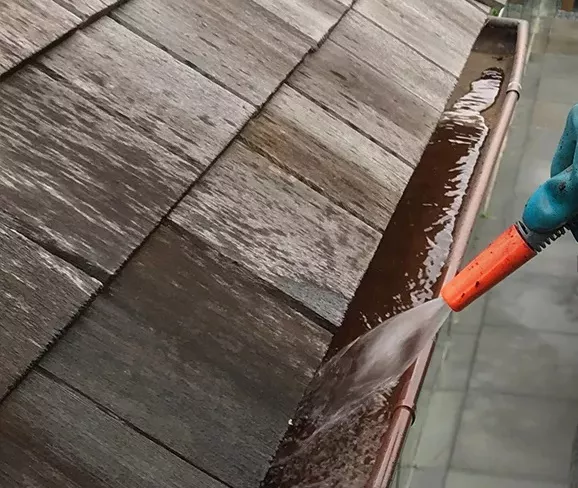
After the installation is complete, itâs time to test the gutters. Turn on a hose and run water through the gutters to make sure they are functioning properly. Check for any leaks or obstructions and make sure the water is being directed away from the house properly. Adjust the downspouts if necessary and make sure they are securely attached.
Protecting your home from water damage is an important part of home maintenance and installing new gutters is an effective way to do this. Installing new gutters is a DIY project that can be done with the right tools and supplies. Following these steps will help you install new gutters on your home and protect it from water damage. With the right materials and a bit of effort, youâll have a new gutter system that will help protect your home and boost its value.