
Your privacy is important to us. We don't use third-party cookies or trackers and we don't store your personal information.


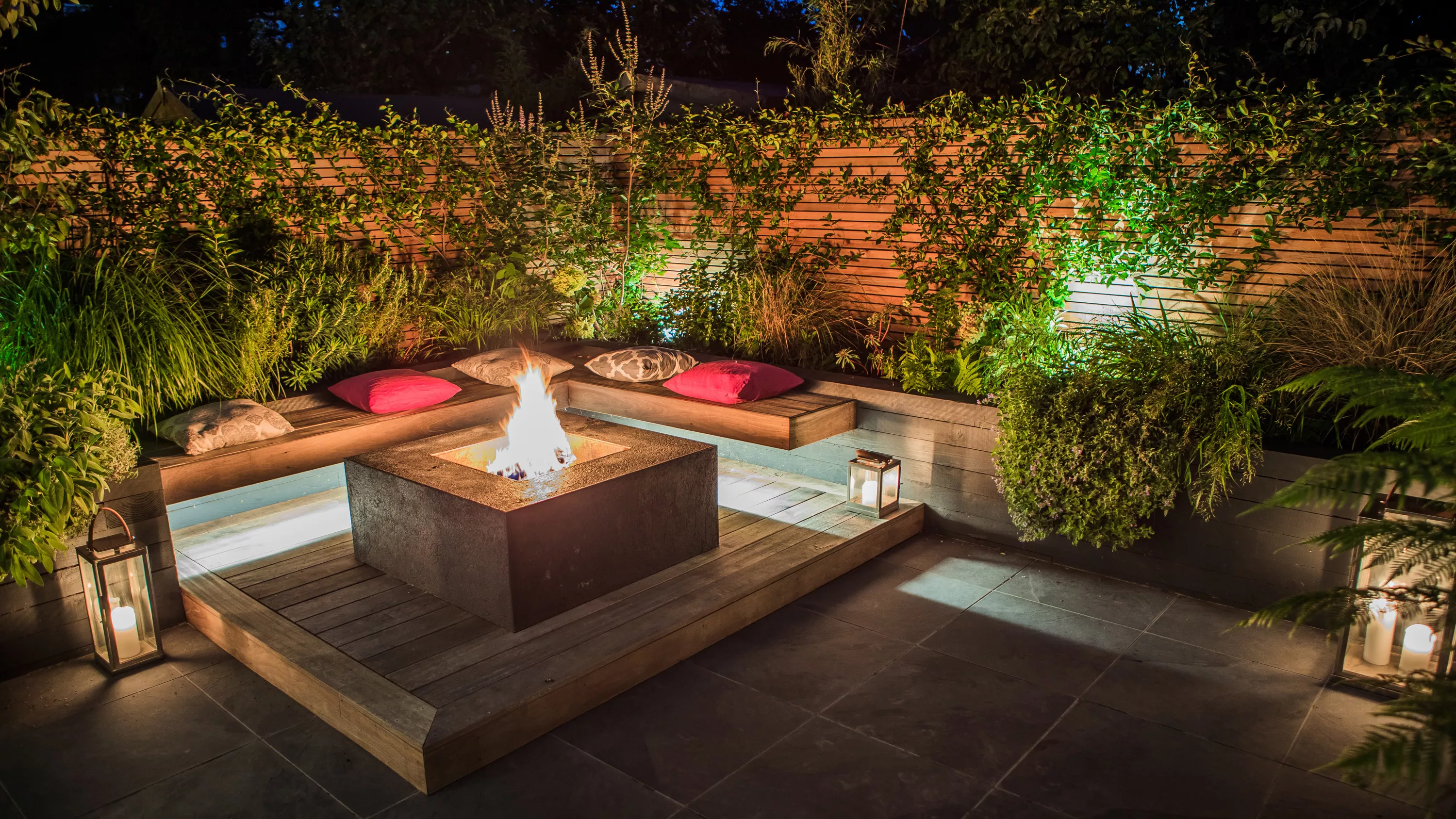


Outdoor lighting can improve the look and safety of your home, making it a worthwhile investment. If you're new to installing outdoor lighting, don't worry, it's a relatively simple DIY project that you can complete in a day. In this guide, we'll walk you through the steps to install an outdoor lighting system from start to finish. We'll provide you with all the information you need to know, including the tools and materials you'll need, and the options available to you such as light sensors and timers. By the end of this guide, you'll have a newfound confidence in your ability to install outdoor lighting.
Step 1: Plan Your Lighting Layout
Step 2: Choose Your Lighting Fixtures
Step 3: Gather Your Tools
Step 4: Turn off the Power
Step 5: Install the Transformer (For Low-Voltage Lighting Only)
Step 6: Run the Wiring
Step 7: Install the Light Fixtures
Note: If you are unsure of any step in the installation process, it is best to consult an electrician or the manufacturer for assistance. Installing lighting fixtures improperly can pose a safety hazard.
Step 8: Test Your Lights
Step 9: Consider Installing Light Sensors (Optional)
If you want your outdoor lights to automatically switch on at night and off during the day, light sensors are a fantastic alternative. But they might cost more than timers, and they might not function as effectively in places with a lot of light pollution. Before choosing whether using light sensors is the appropriate choice for you, take into account your unique demands and budget.
Step 10: Consider Installing Timers (Optional)
Timers are a more cost-effective way to manage your outdoor lights. You may use them to create a precise timetable for your lights to turn on and off. However, unlike light sensors, they do not automatically adapt to shifting illumination conditions. Before selecting whether timers are the perfect choice for you, take into account your unique demands and budget. It's crucial to remember that timers and light sensors are both optional and not required for a working outdoor lighting system. Select the one that most closely matches your unique requirements and preferences.
Step 11: Conceal the Wiring
To protect the wiring from damage and give the outdoor lighting setup a neat appearance, you will need to conceal the wiring. You can do this by covering the wiring with conduit or burying it underground. The conduit should be placed so that the wiring is not exposed to the elements, such as rain or snow. To bury the wiring underground, you will need to dig a shallow trench, place the wiring in the trench, and cover it with soil. Before burying the wiring, make sure to check local codes and regulations to ensure that you are allowed to bury the wiring in your area.
Step 12: Finalize the Outdoor Lighting System
Turn the power back on to your electrical circuit and test the lights to ensure they are all working properly. Make any necessary adjustments, such as tightening loose connections or replacing light bulbs. Once you have confirmed that all the lights are working, you can enjoy the added safety and aesthetic benefits of your new outdoor lighting system. Take a moment to appreciate the final result of your hard work and enjoy the enhanced look of your home.
Installing outdoor lighting can seem daunting at first, but with the right tools and a little patience, it's a DIY project that you can accomplish. By following this guide, you'll learn everything you need to know to install an outdoor lighting system from start to finish. From choosing the right transformer to testing the lights, we've covered it all. The options for light sensors and timers are also discussed, so you can choose the best option for your needs. With a new outdoor lighting system, you'll enjoy improved safety, increased security, and an attractive look for your home. Whether you're a seasoned DIYer or just starting out, you'll have the knowledge and confidence to tackle this project with ease.