
Your privacy is important to us. We don't use third-party cookies or trackers and we don't store your personal information.


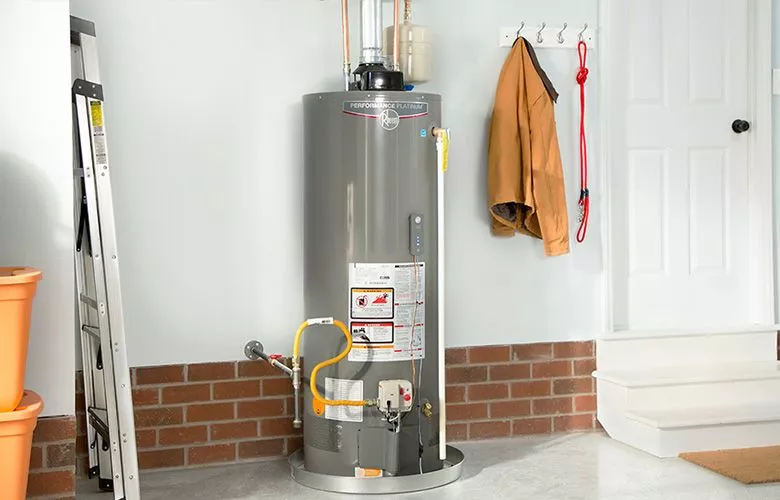


Installing a new water heater can have many benefits for your home, including increased energy efficiency and cost savings on your utility bills. Upgrading your water heater can also improve the overall performance and longevity of the unit, and provide a steady supply of hot water for your household. However, it is important to consider the cost of purchasing and installing a new water heater as well as any potential disruption to your daily routine during the installation process. By following the steps outlined in this guide, you can make an informed decision on whether upgrading your water heater is the right choice for your home and budget.
Step 1: Choose the Right Type of Water Heater
The first step in installing a new water heater is to choose the right type for your home. There are several different types of water heaters available, including traditional storage tank water heaters, tankless water heaters, and heat pump water heaters. Each type has its own advantages and disadvantages, so it's important to consider your home's specific needs and budget before making a decision.
Traditional storage tank water heaters are the most common type of water heater and are the most affordable option. They have a large tank that stores hot water and keeps it at a constant temperature. The downside is that they are less efficient than other options and can take up a lot of space.
Tankless water heaters, also known as on-demand water heaters, heat water as it is needed. They are more energy-efficient than traditional storage tank water heaters, as they don't lose heat through standby energy loss. They also don't require as much space. However, they can be more expensive to purchase and install, and they may not be able to keep up with the hot water demand of large households.
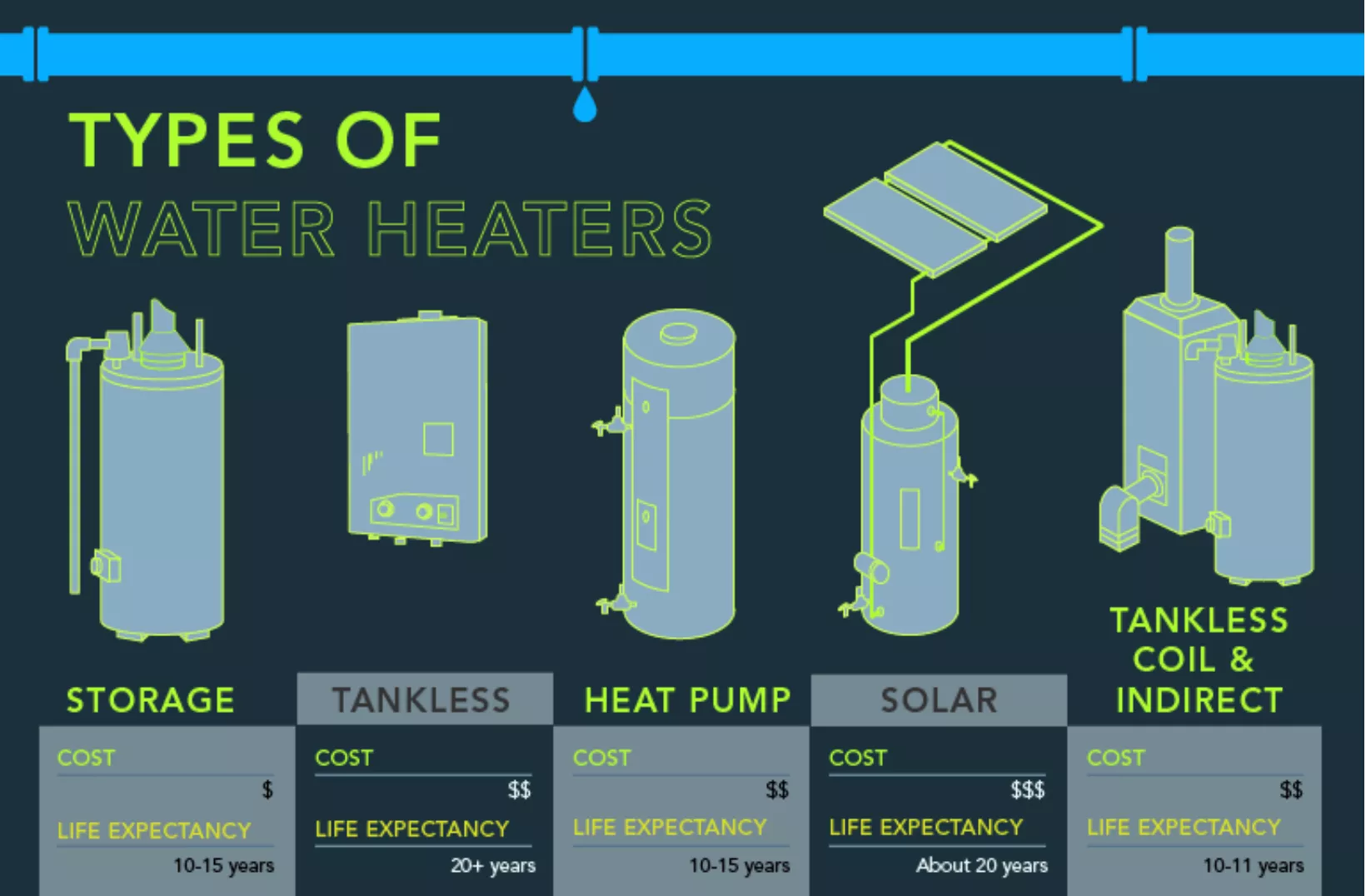
Heat pump water heaters use electricity to move heat from the air or ground into the water, making them more energy-efficient than traditional storage tank water heaters. They also have the advantage of being able to provide both heating and cooling. However, they can be more expensive to purchase and install, and they may not be able to keep up with the hot water demand of large households.
It is important to consider the size of your household, your hot water demands, and your budget when choosing the right type of water heater for your home. It is also recommended to consult with a professional to get proper advice and installation.
Step 2: Measure Your Space
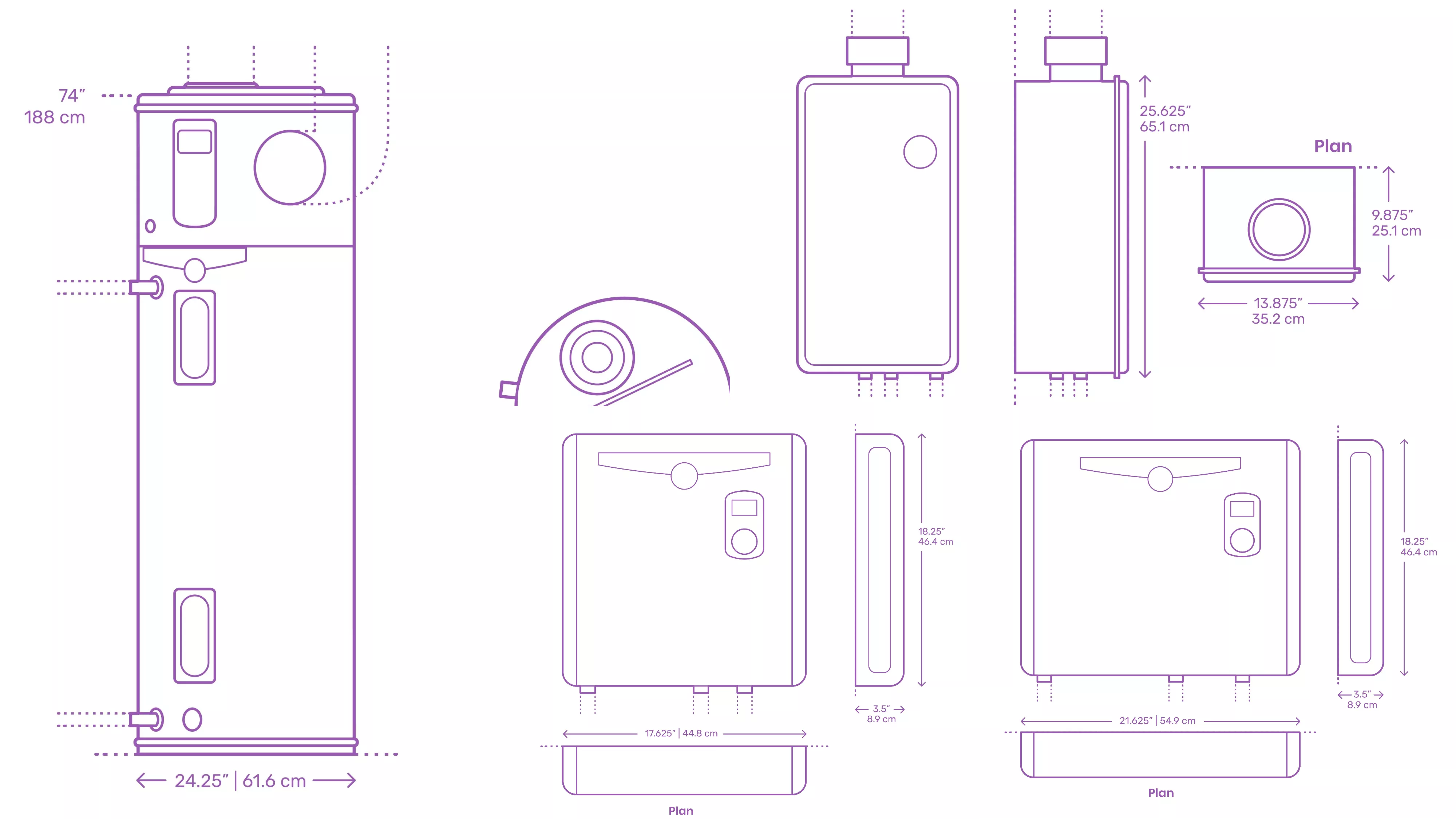
Before you can purchase a new water heater, you'll need to measure the space where it will be installed. This will help you determine the size and dimensions of the water heater you need to purchase.
Step 3: Choose the Right Size
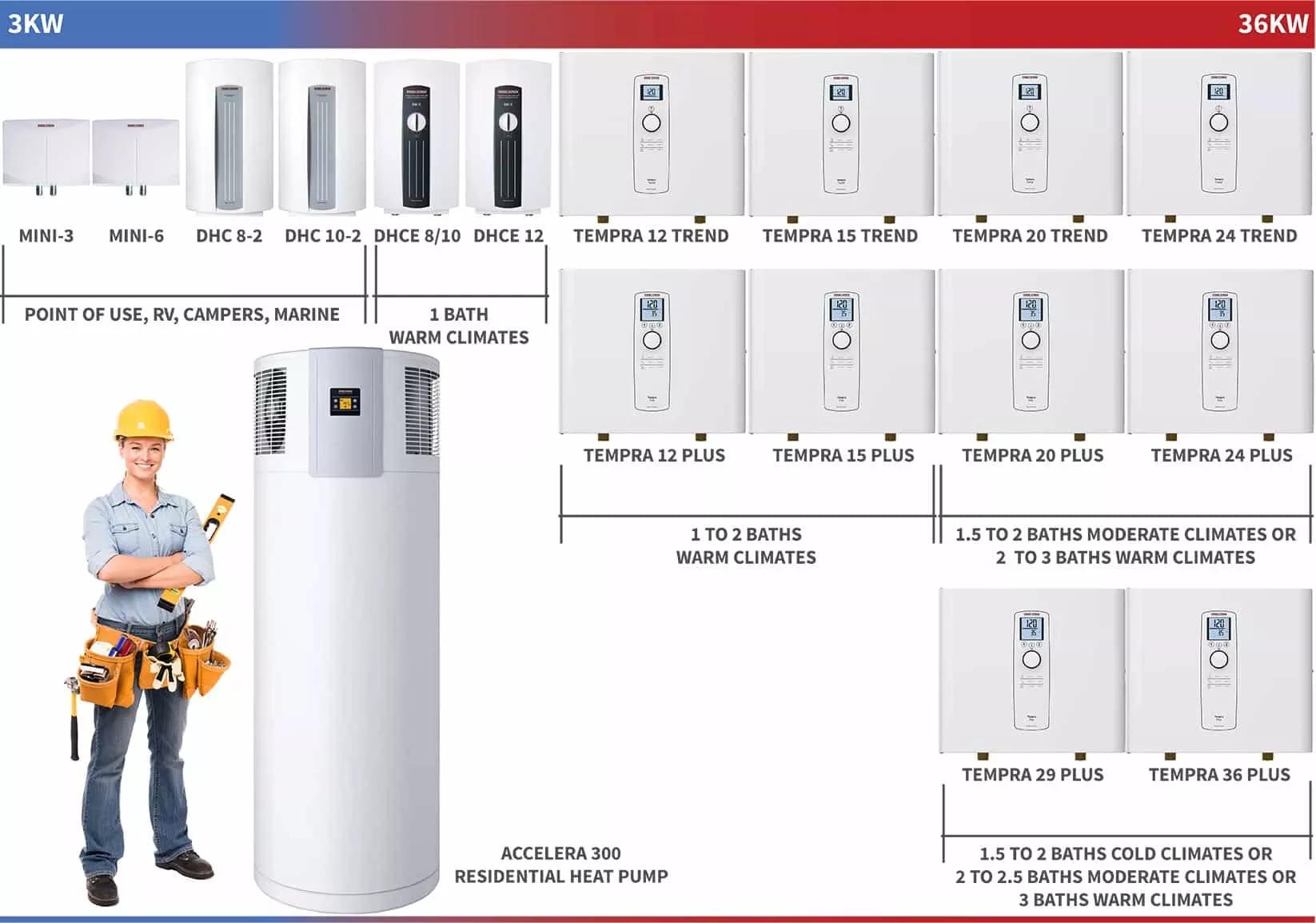
Once you've measured the space and determined the type of water heater you need, you'll need to choose the right size. Water heaters come in a variety of sizes, and it's important to choose one that is appropriately sized for your home. A water heater that is too small will not be able to provide enough hot water for your needs, while a water heater that is too large will be more expensive to purchase and operate.

Step 4: Purchase the Water Heater
With all your information in hand, you can now purchase the water heater. You can buy from a local supplier, or order online. It is important to check the product specifications and ensure that it meets the requirements for your home. You should also compare prices between different models and brands to ensure you are getting the best deal.
Step 5: Prepare the Installation Site
Before you can install the new water heater, you'll need to prepare the installation site. This will typically involve turning off the electricity or gas to the area, as well as removing any existing water heater. Make sure to follow the instructions and safety precautions provided by the manufacturer. You may also need to remove any obstacles or obstacles that may be in the way of the installation.
Step 6: Install the Water Heater
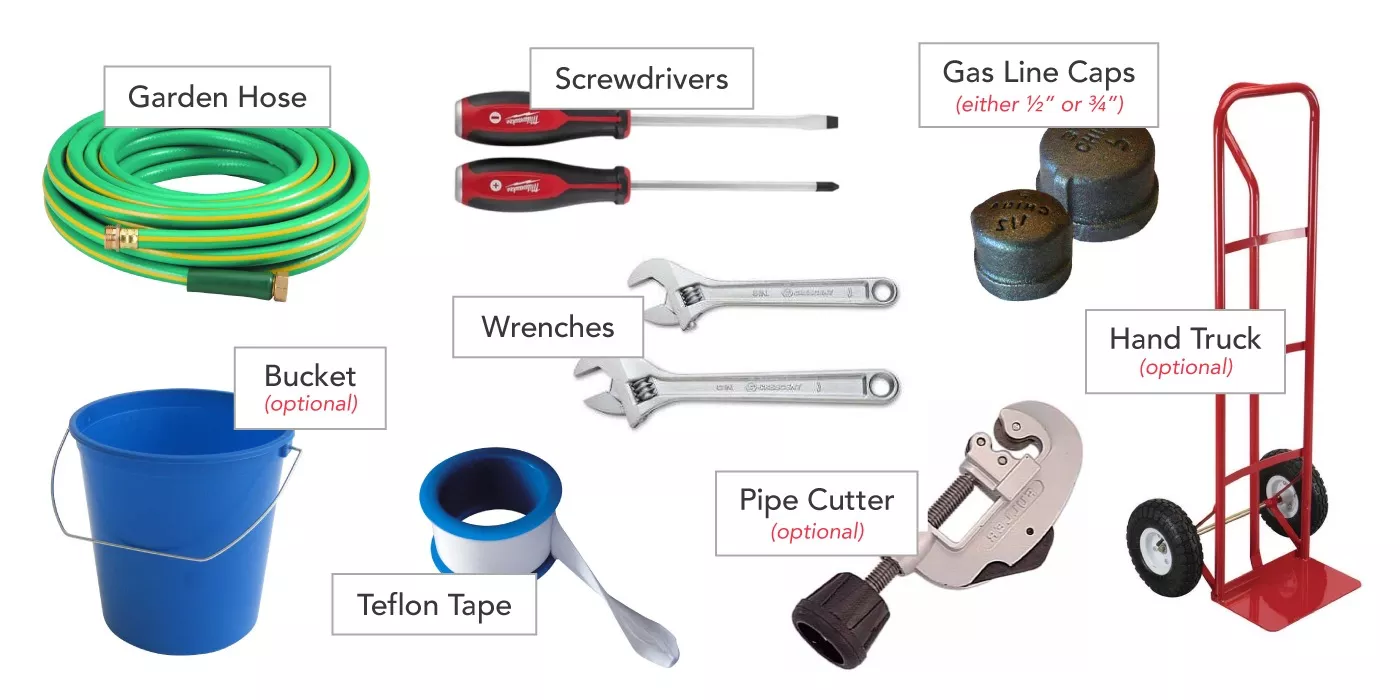
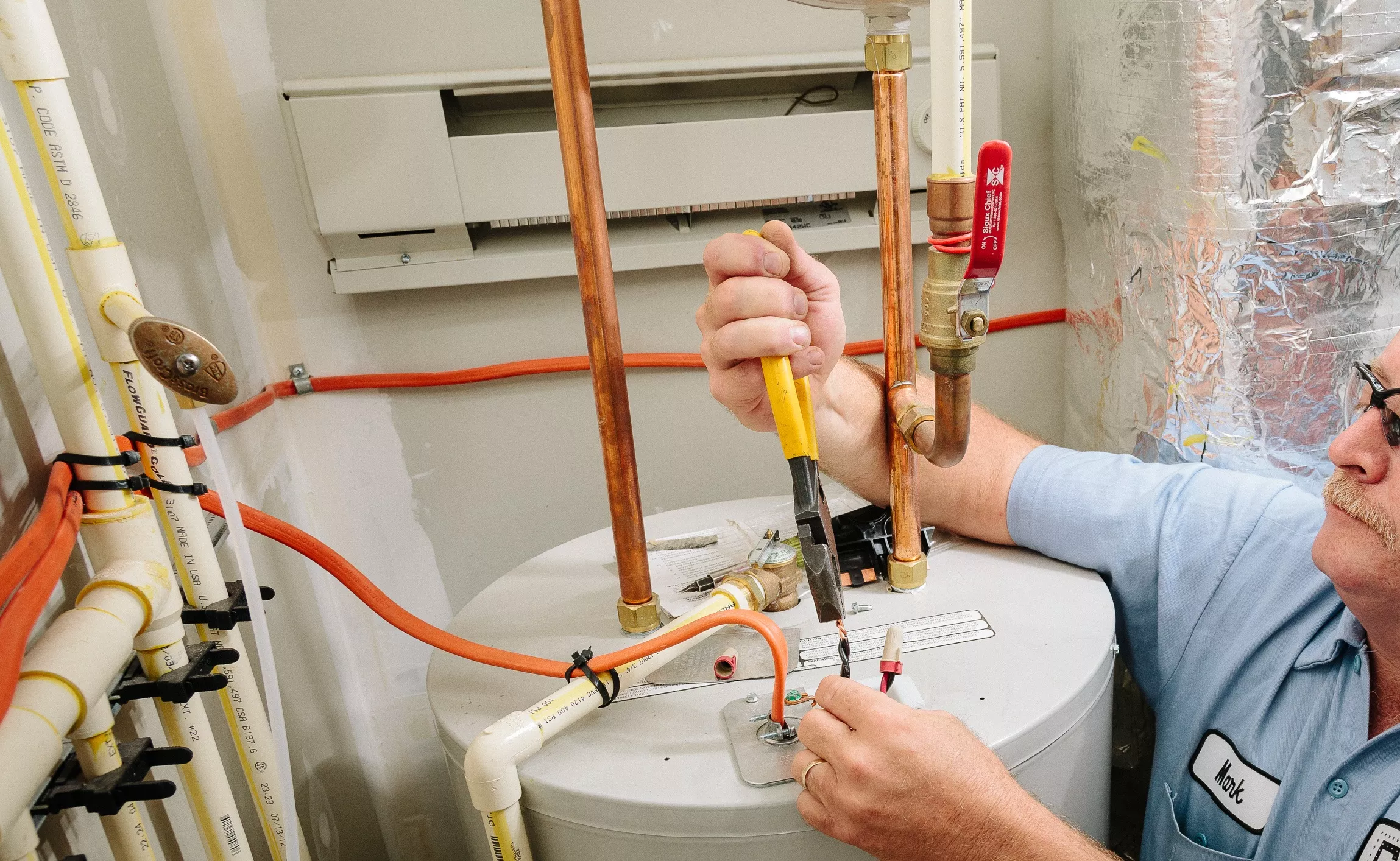
With the installation site prepared, you can now install the new water heater. This will typically involve connecting the water, gas, and electrical lines, as well as venting the water heater. It is important to follow the instructions provided by the manufacturer to properly install the water heater. The instructions will usually include information on how to connect the water, gas, and electrical lines, as well as how to vent the water heater. You can watch this short tutorial for more details.
Step 7: Test the Water Heater
After the water heater is installed, you'll need to test it to make sure it is working properly. This will typically involve turning on the electricity or gas and allowing the water heater to heat up. You should also check for any leaks or other issues that may have occurred during the installation process.
Step 8: Adjust the Temperature
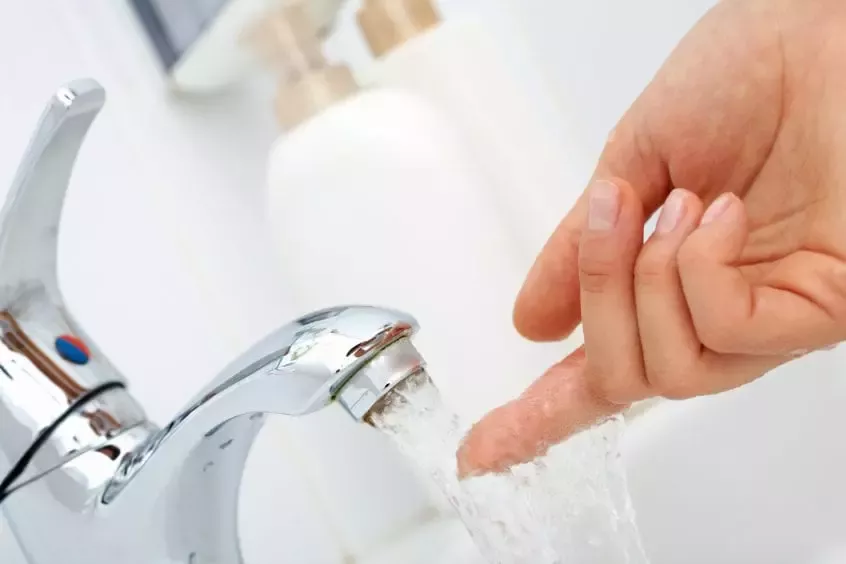
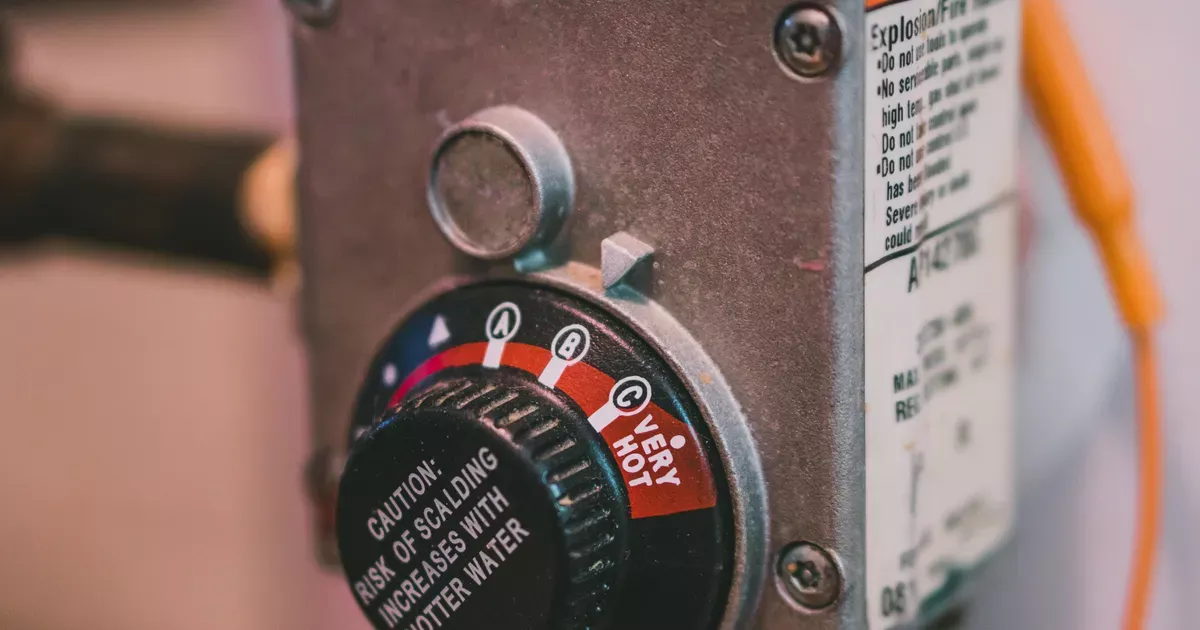
Once the water heater is working properly, you can adjust the temperature to your desired setting. It is important to follow the manufacturer's instructions when adjusting the temperature, as different models may have different settings. You should also test the water temperature to ensure it is at the desired level.
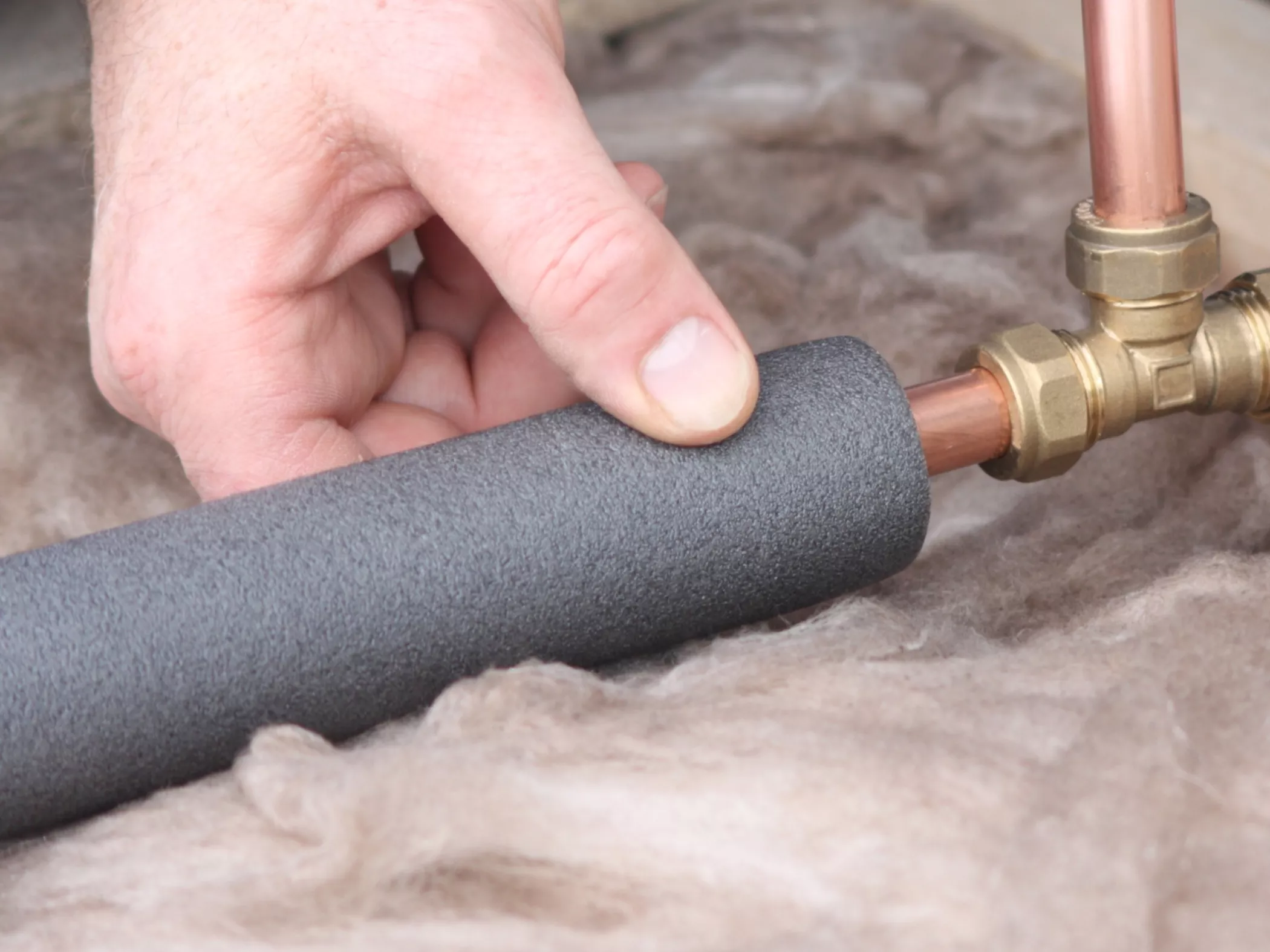
Step 9: Insulate the pipes
After the temperature is adjusted, it is important to insulate the pipes to retain the heat and prevent heat loss. Insulating the pipes can also reduce the amount of energy needed to heat the water, which can lead to significant energy savings. You can purchase pipe insulation at most hardware stores, and it is usually easy to install.
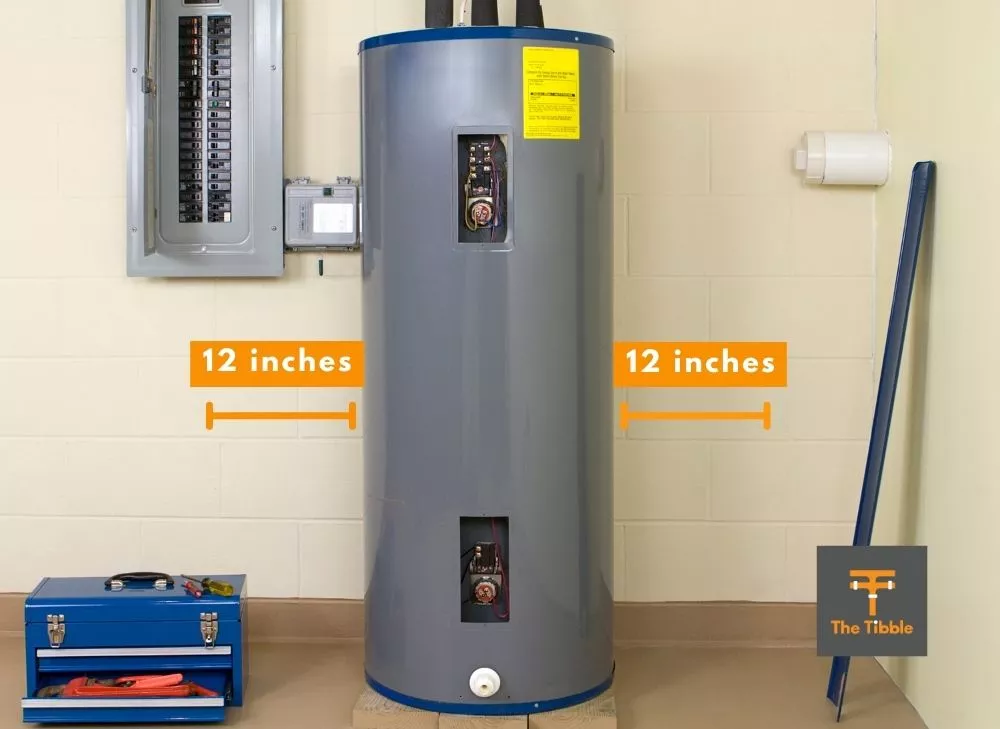
Step 10: Keep the area around the water heater clear
It's important to keep the area around the water heater clear of any flammable materials and to maintain a safe distance from any combustible materials. This will help to prevent any accidents or fires that may occur. You should also make sure to keep the area around the water heater clean and free of debris.
Step 11: Maintenance
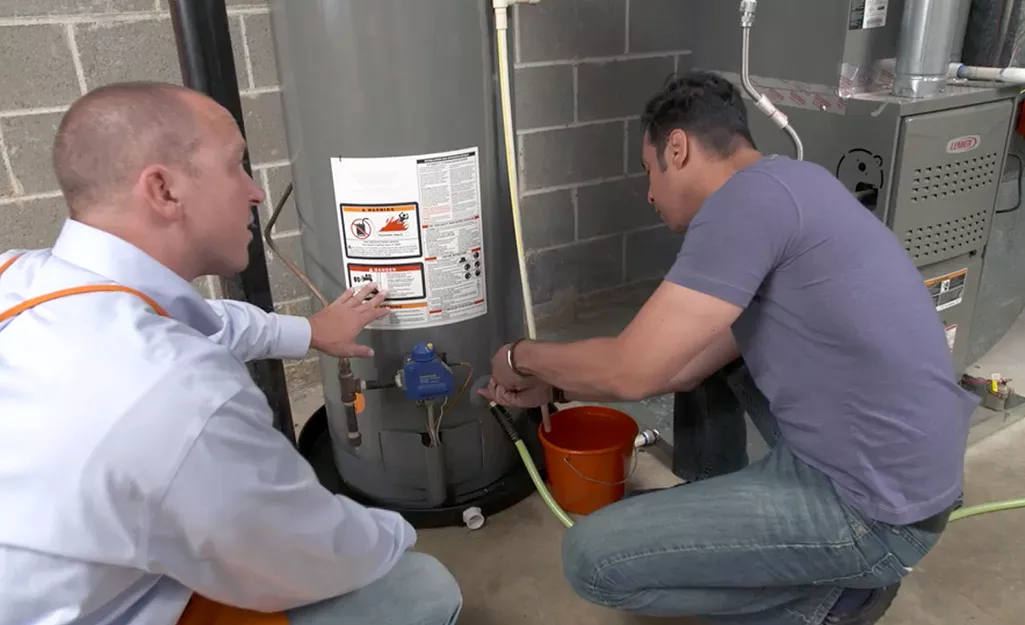
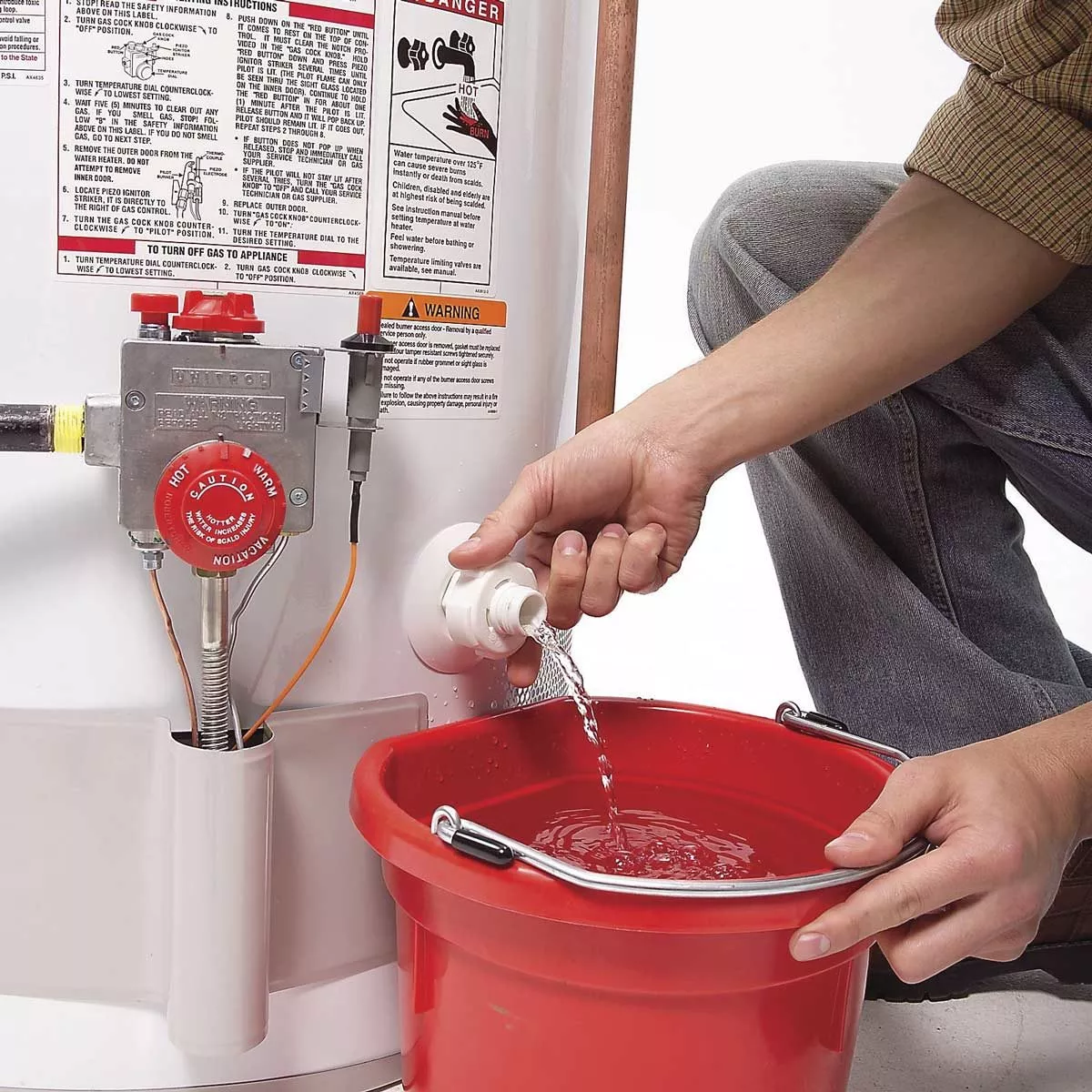
Regular maintenance is important for the longevity of the water heater and to ensure it is functioning efficiently. This typically includes checking the temperature settings, inspecting the water and gas lines, and flushing the tank to remove sediment buildup. You should also have a professional perform an annual maintenance check to ensure everything is working properly. You can consult this video when ever you plan on doing maintenance on your water heater.
Step 12: Contact a professional if you have any issues
If you have any issues with your water heater, it's important to contact a professional for assistance. This can include issues such as leaks, no hot water, or problems with the temperature settings. A professional can quickly diagnose and fix any issues that may arise, and can also provide advice on how to maintain the water heater in the future.
Installing a new water heater can be a big project, but with the right information and preparation, it can be done relatively easily. By following the steps outlined in this guide, you can select and install a new water heater that will provide your home with efficient and reliable hot water for years to come. Remember to consult with a professional if you have any doubts or issues with the installation.