
Your privacy is important to us. We don't use third-party cookies or trackers and we don't store your personal information.


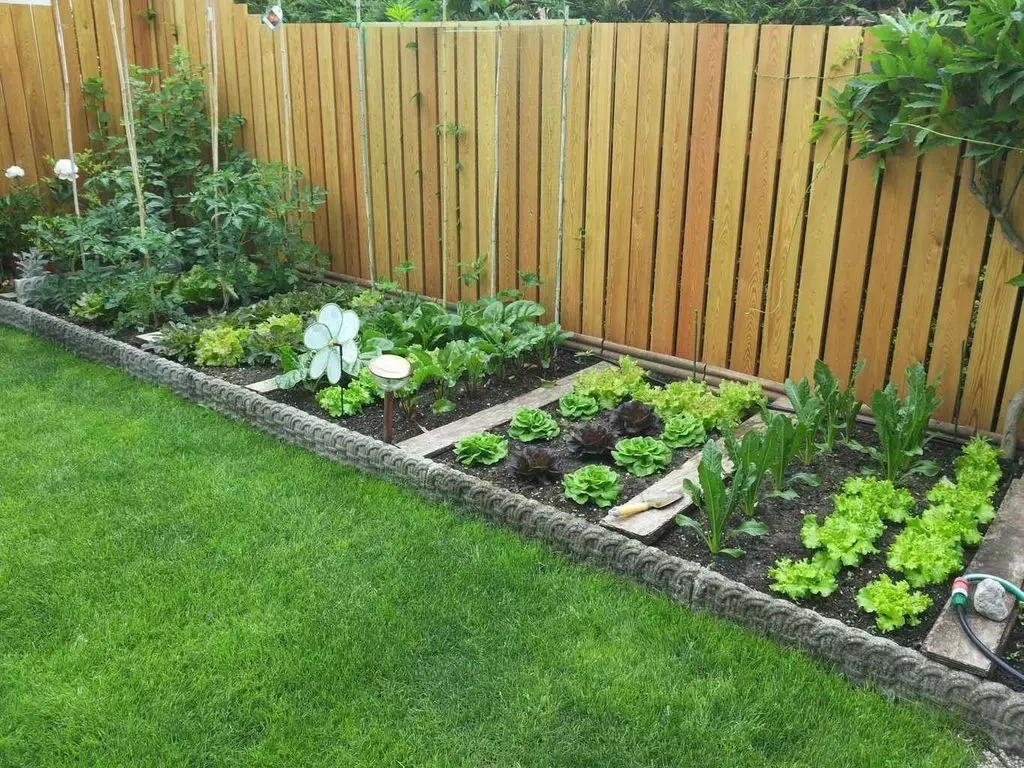


Gardening is a rewarding hobby that allows you to grow your own fresh, nutritious produce at home. It's also a great way to save money on groceries, reduce your carbon footprint, and add value to your home. In this guide, we'll walk you through the steps for creating a successful home garden, from choosing the right location to selecting the best plants for your climate and soil type.
The first step in creating a home garden is finding the perfect spot. Consider the following factors when choosing a location: Sun exposure: Most vegetables and herbs need at least 6 hours of direct sunlight per day, so choose a spot that gets plenty of sun. Soil type: Different plants thrive in different types of soil, so it's important to choose a location with soil that is well-draining and rich in organic matter. Accessibility: You'll be spending a lot of time tending to your garden, so choose a spot that is easy to access and close to a water source.
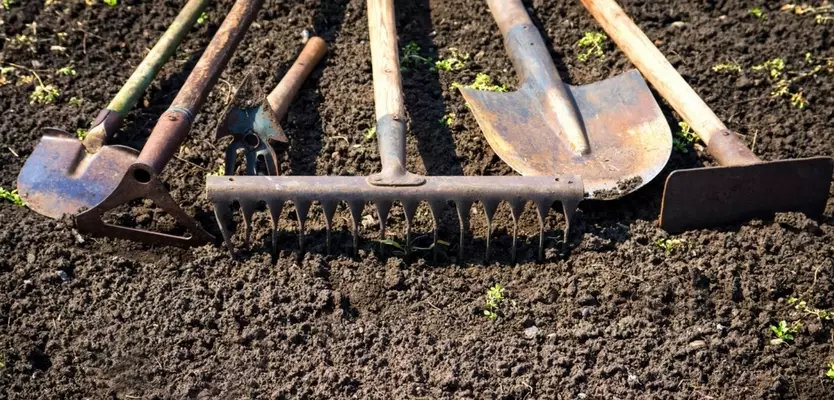
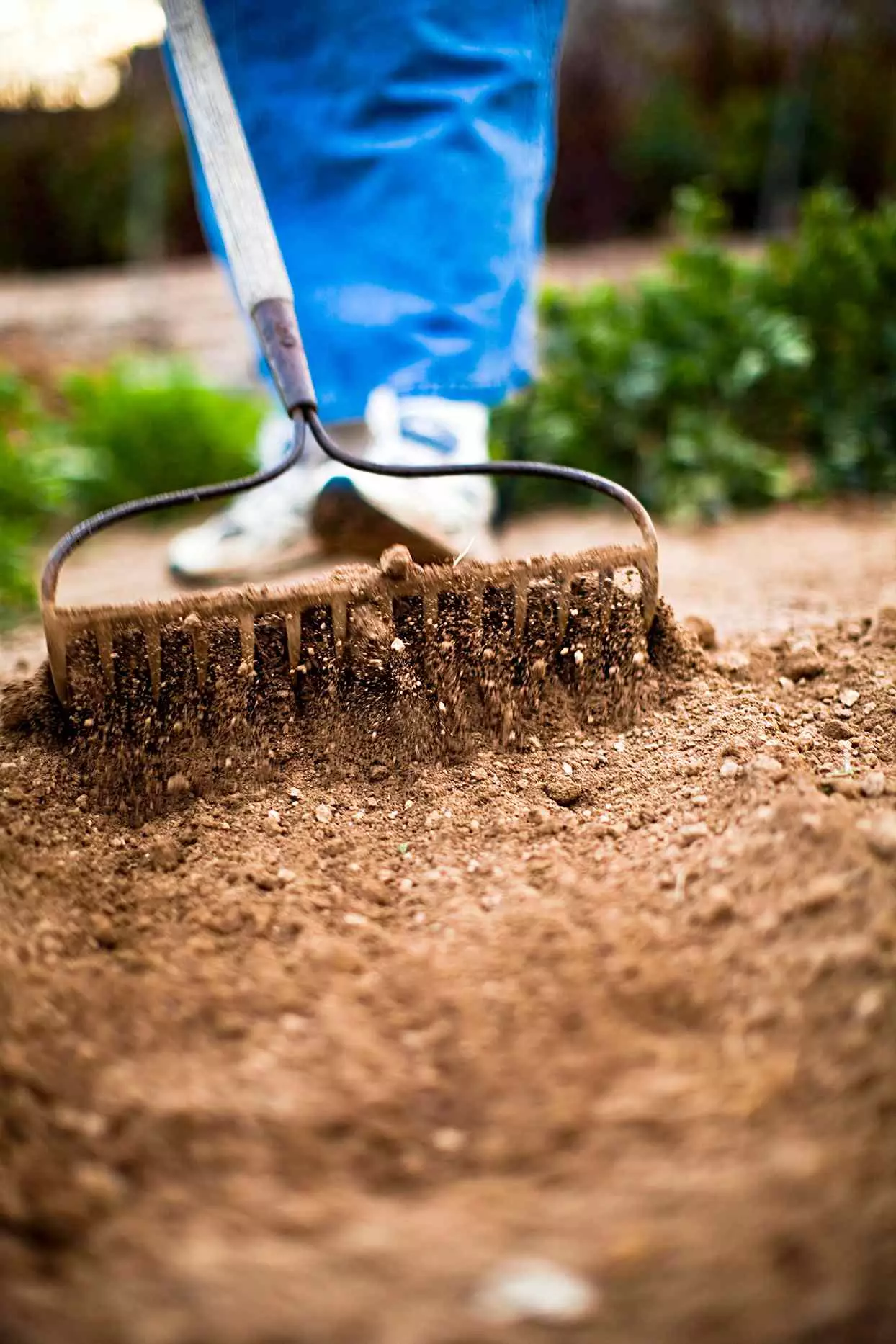
Once you've chosen the perfect location for your home garden, it's time to prepare the soil. Begin by removing any weeds or debris from the area, and then add compost or well-rotted manure to enrich the soil. You can also use a soil testing kit to determine the pH level of your soil and add amendments as needed.
Different plants thrive in different climates and soil types, so it's important to choose plants that are well-suited to your specific location. Consider the following factors when selecting plants for your home garden: Climate: Choose plants that are well-adapted to your local climate, as they are more likely to thrive in your area. Soil type: As mentioned above, different plants thrive in different types of soil. Choose plants that are well-suited to your soil type to ensure they grow strong and healthy. Personal preferences: Consider your personal preferences when choosing plants for your home garden. Do you prefer sweet or savory flavors? Do you have a green thumb or are you new to gardening? Choose plants that suit your preferences and skill level.
Once you've chosen the plants for your home garden, it's time to create a layout. Consider the following factors when designing your home garden: Plant height: Place taller plants at the back of the garden and shorter plants in the front to create a visually appealing layout. Sun exposure: Make sure to place plants in areas where they will receive the appropriate amount of sun exposure. Plant spacing: Follow the recommended plant spacing guidelines to ensure your plants have enough room to grow and thrive.
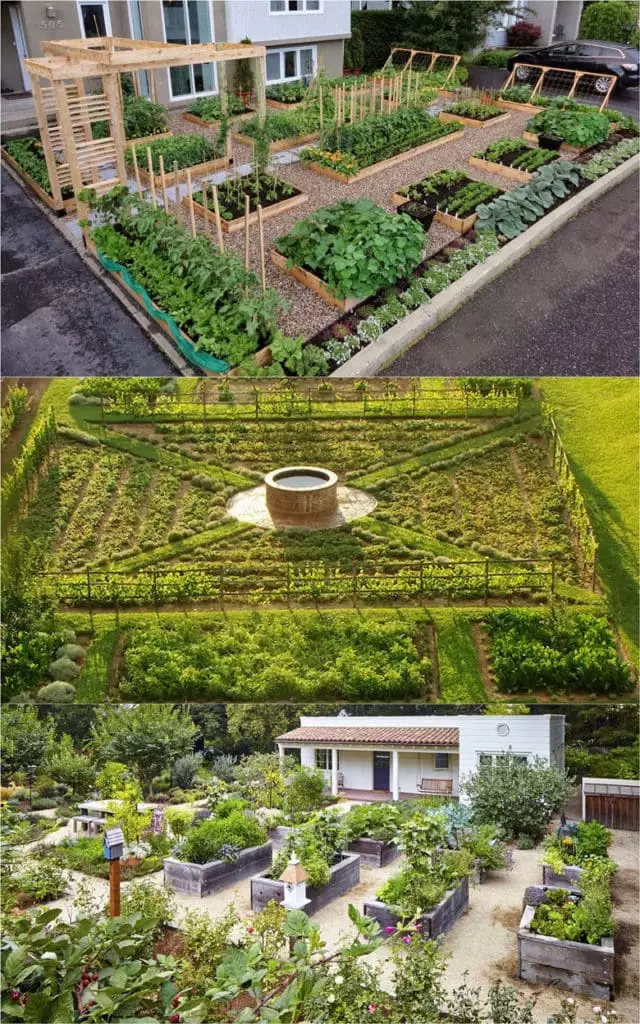
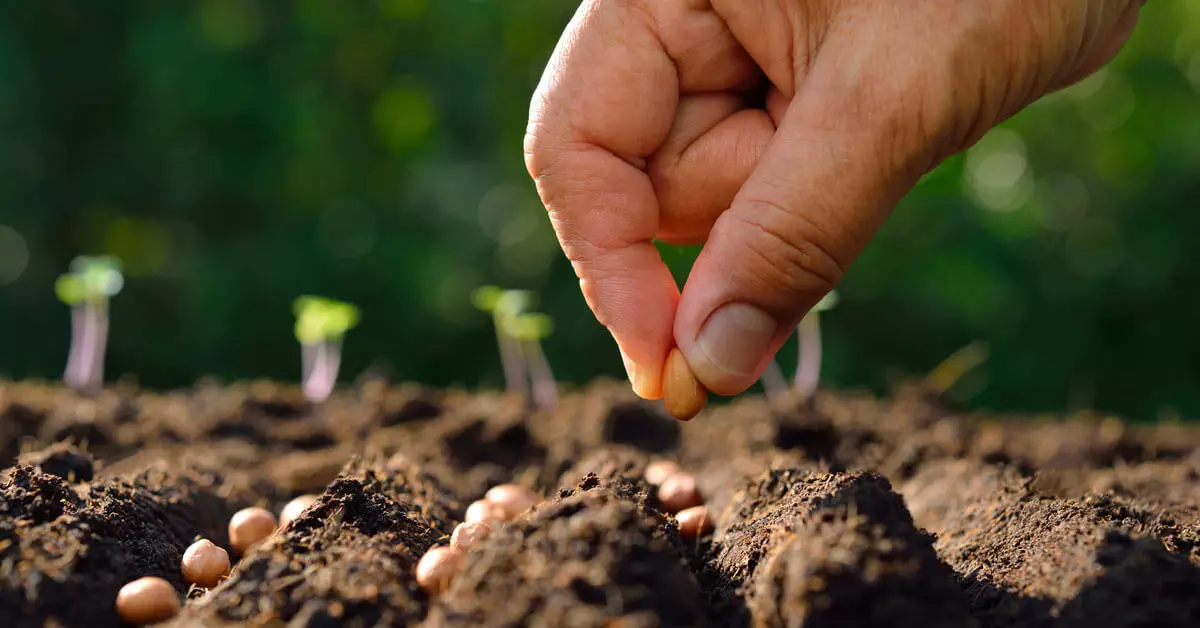
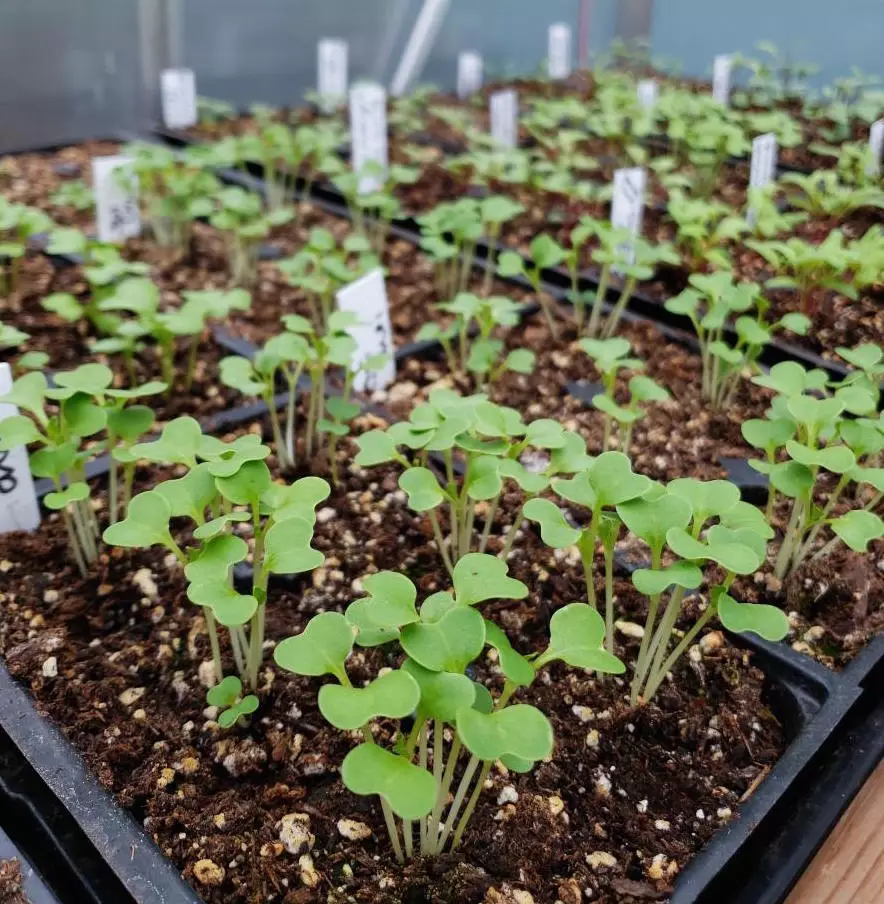
Now that you've prepared the soil and chosen the plants for your home garden, it's time to start planting! If you're starting from seeds, sow them in seed trays or pots and keep them in a warm, sunny spot until they have germinated. Once they have sprouted, you can transplant them into your home garden. If you're starting with seedlings, gently remove them from their pots and plant them in your prepared soil. Be sure to water them well and continue to keep the soil moist.
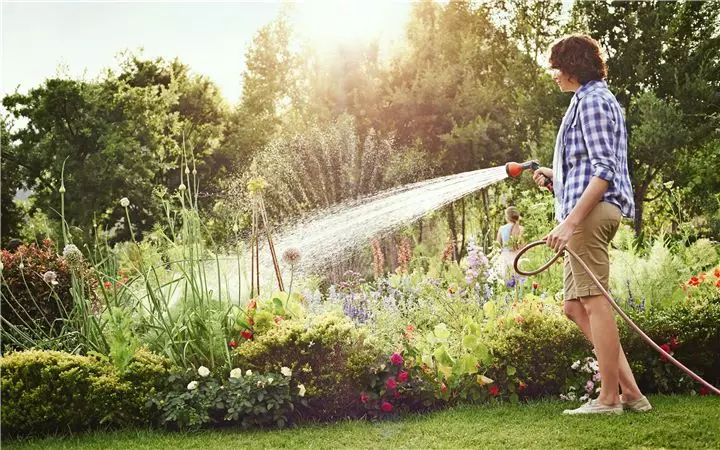
Proper fertilization and watering are key to a healthy, successful home garden. Here are a few tips for fertilizing and watering your home garden: Fertilize: Use a balanced fertilizer to provide your plants with the nutrients they need to grow strong and healthy. Follow the instructions on the packaging for the appropriate amount of fertilizer to use. Water: Water your home garden regularly to keep the soil moist. Avoid overwatering, as this can lead to root rot and other problems. Water early in the morning or late in the evening to minimize evaporation.
Pests and diseases can damage or destroy your home garden if left unchecked. Here are a few tips for protecting your home garden from pests and diseases: Use organic pest control methods: There are many natural ways to control pests in your home garden, such as using natural predators, introducing beneficial insects, and planting pest-repellent plants. Keep an eye out for signs of pests or diseases: Regularly inspect your plants for signs of pests or diseases, such as holes in leaves or discoloration. If you spot any problems, take action to control the pests or treat the disease as soon as possible. Practice good garden hygiene: Keep your home garden clean and tidy to reduce the risk of pests and diseases. Remove any dead or diseased plants promptly and dispose of them safely.
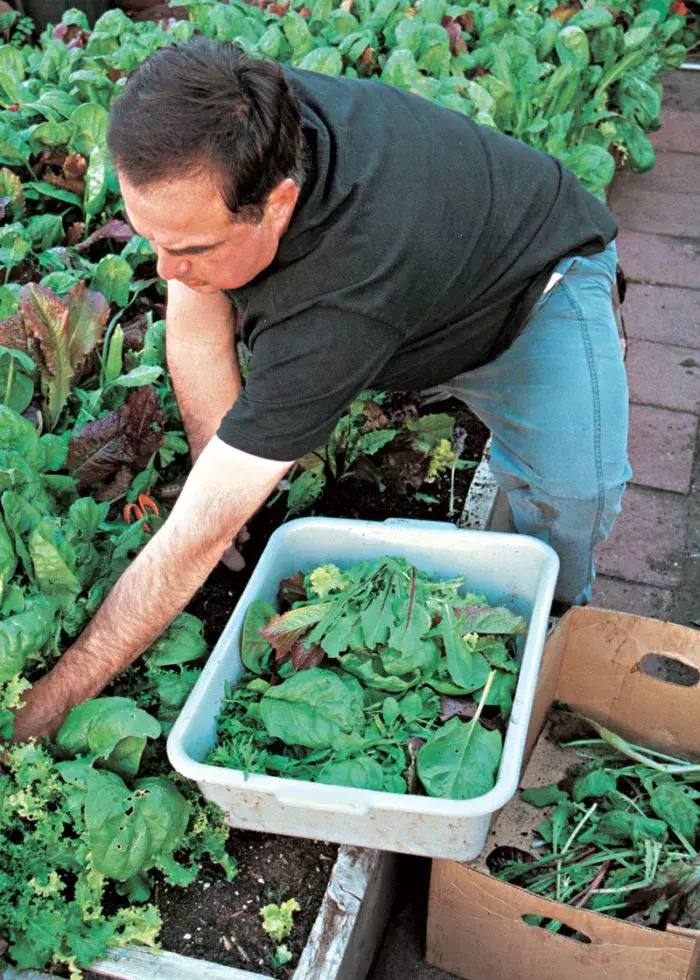
One of the best parts of gardening is harvesting your own fresh produce. Here are a few tips for harvesting your home-grown fruits, vegetables, and herbs: Know when to harvest: Different plants have different harvest times, so it's important to know when each plant is ready to be picked. Check the seed packet or plant label for guidance, or do some research online to find out when your specific plants are ready to be harvested. Use the right tools: Use a sharp knife or garden shears to carefully cut or snip off your produce. Avoid bruising or damaging the plants as you harvest. Store and preserve your produce: Once you've harvested your produce, store it properly to extend its shelf life. Many fruits and vegetables can be refrigerated, while others should be stored at room temperature. You can also preserve your produce by freezing, canning, or drying it.
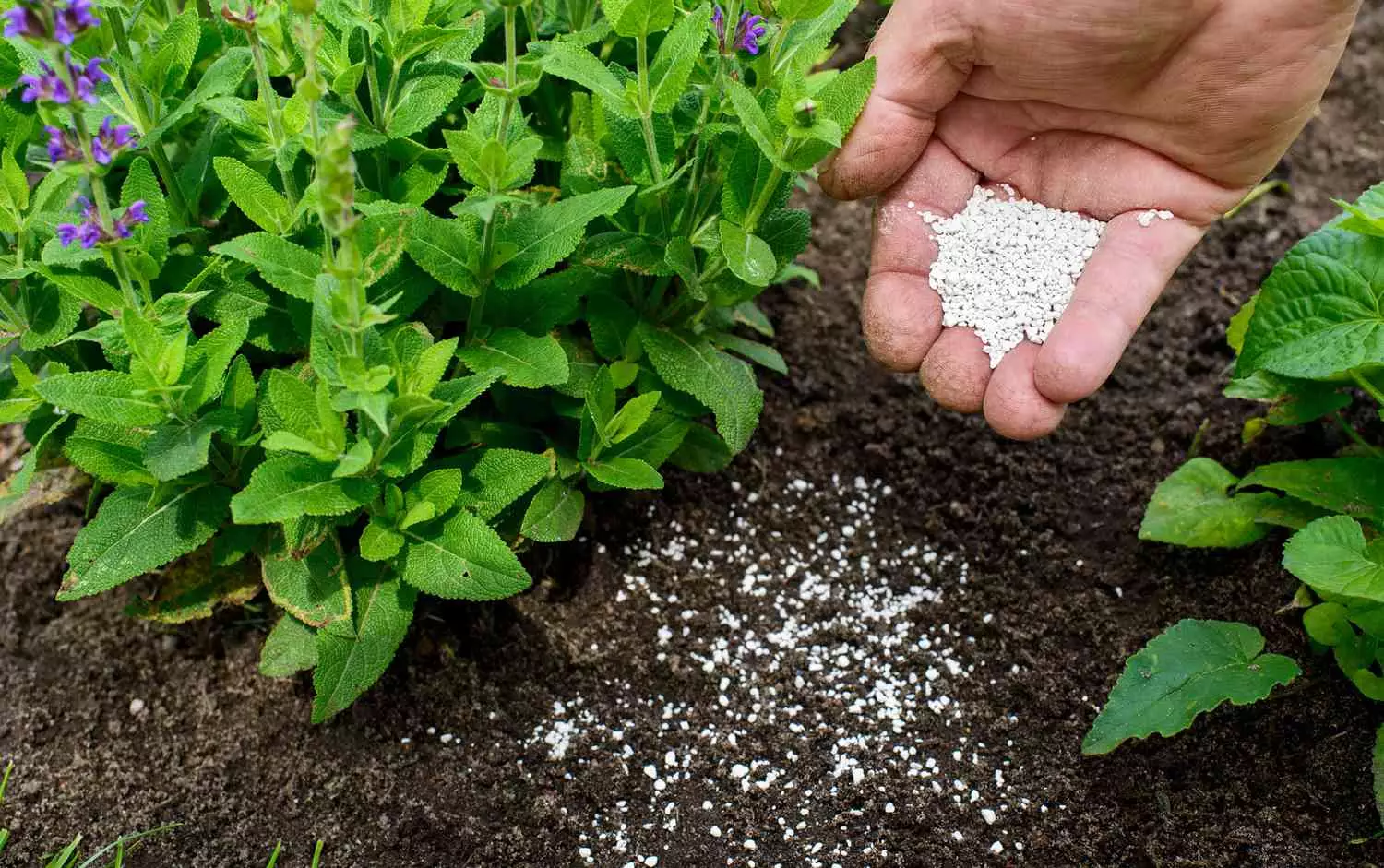
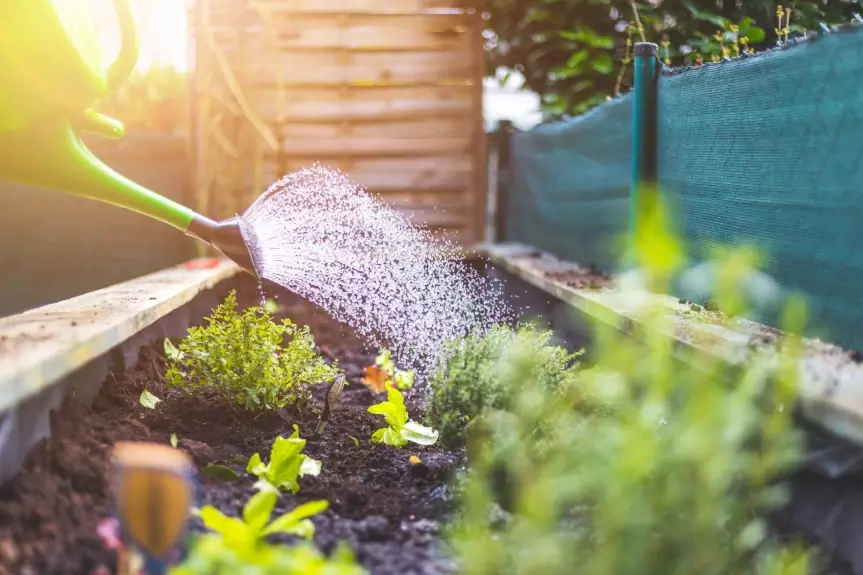
Your home garden doesn't stop requiring care once it's established. Continue to water, fertilize, and protect your plants from pests and diseases to ensure they remain healthy and productive.
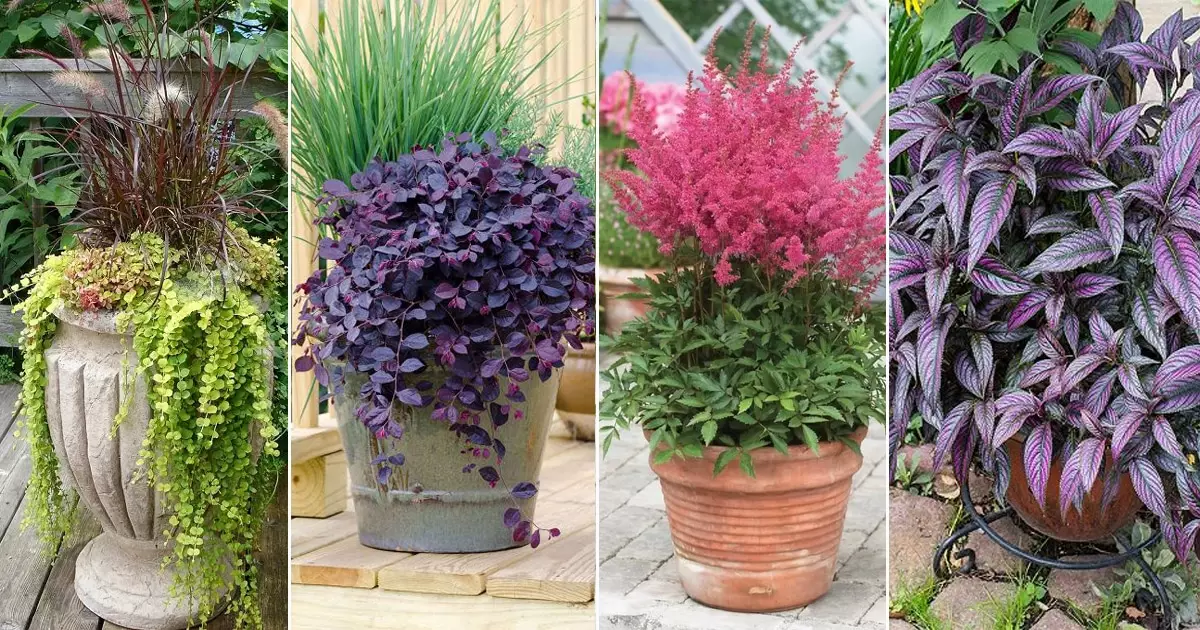
As you become more experienced with gardening, you may want to experiment with different planting techniques to see what works best for your home garden. Some popular techniques include square foot gardening, container gardening, and vertical gardening.
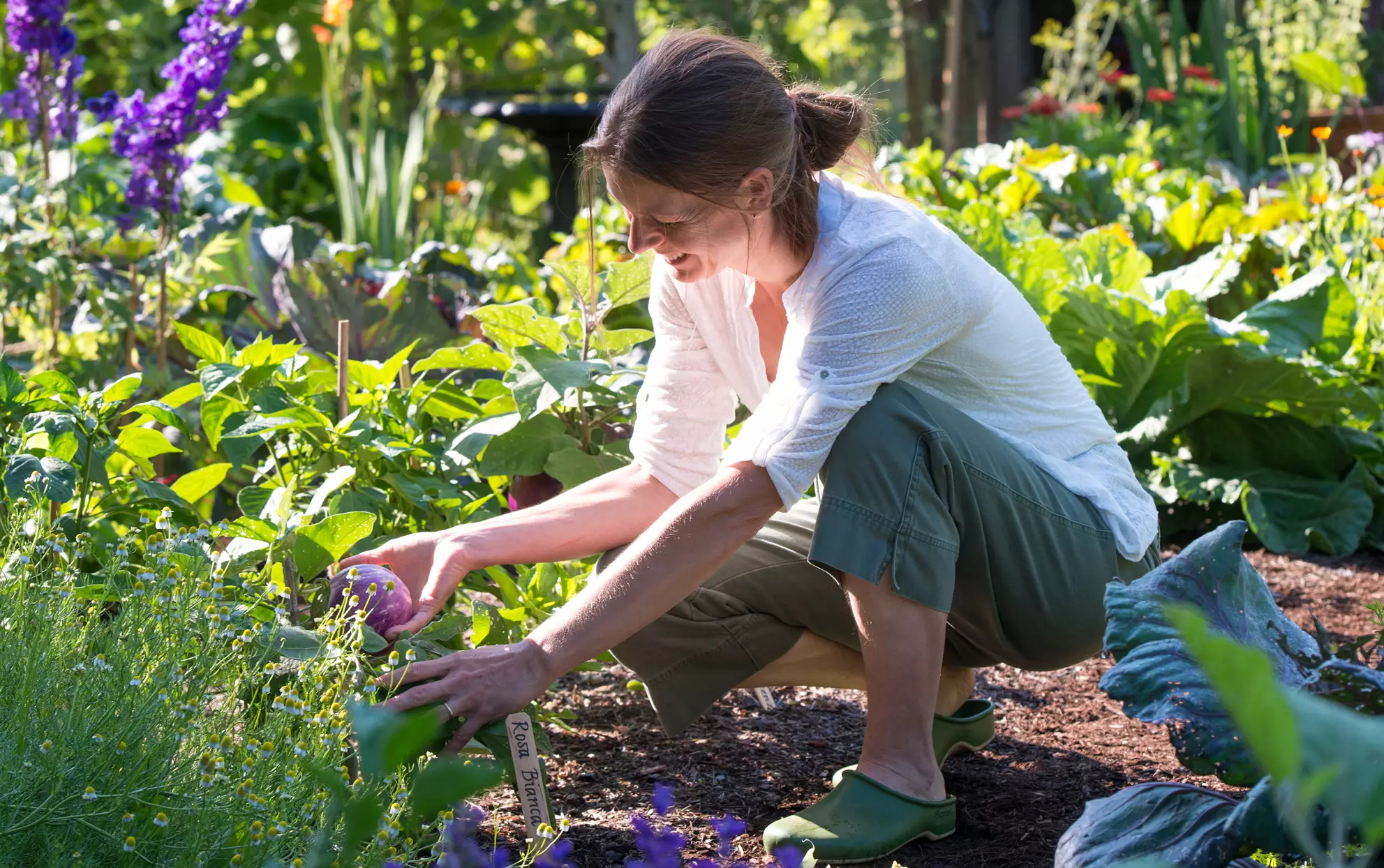
In addition to fruits, vegetables, and herbs, you can also add ornamental plants to your home garden to add color and visual interest. Consider incorporating annuals, perennials, shrubs, and trees into your garden design.
The final step in creating a successful home garden is simply enjoying the fruits (and vegetables and herbs!) of your labor. Take time to appreciate the beauty of your garden and share your bounty with friends and family. You may even want to consider starting a community garden or joining a local gardening group to connect with other gardeners and share tips and ideas.
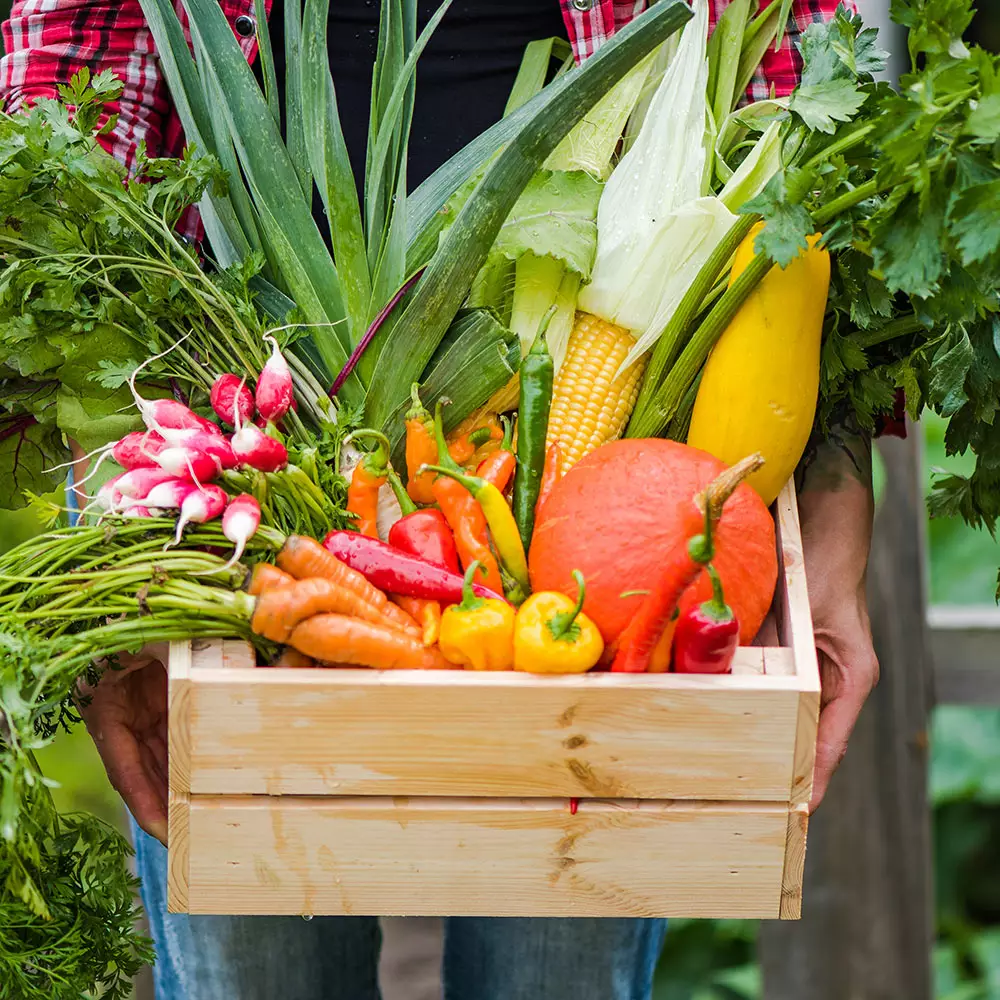
Creating a home garden is a rewarding and fulfilling hobby that allows you to grow your own fresh, nutritious produce at home. By following these steps, you can create a successful home garden that provides you with delicious, homegrown produce year after year. Don't be afraid to experiment and try new things, and remember to have fun and enjoy the process. Happy gardening!