
Your privacy is important to us. We don't use third-party cookies or trackers and we don't store your personal information.


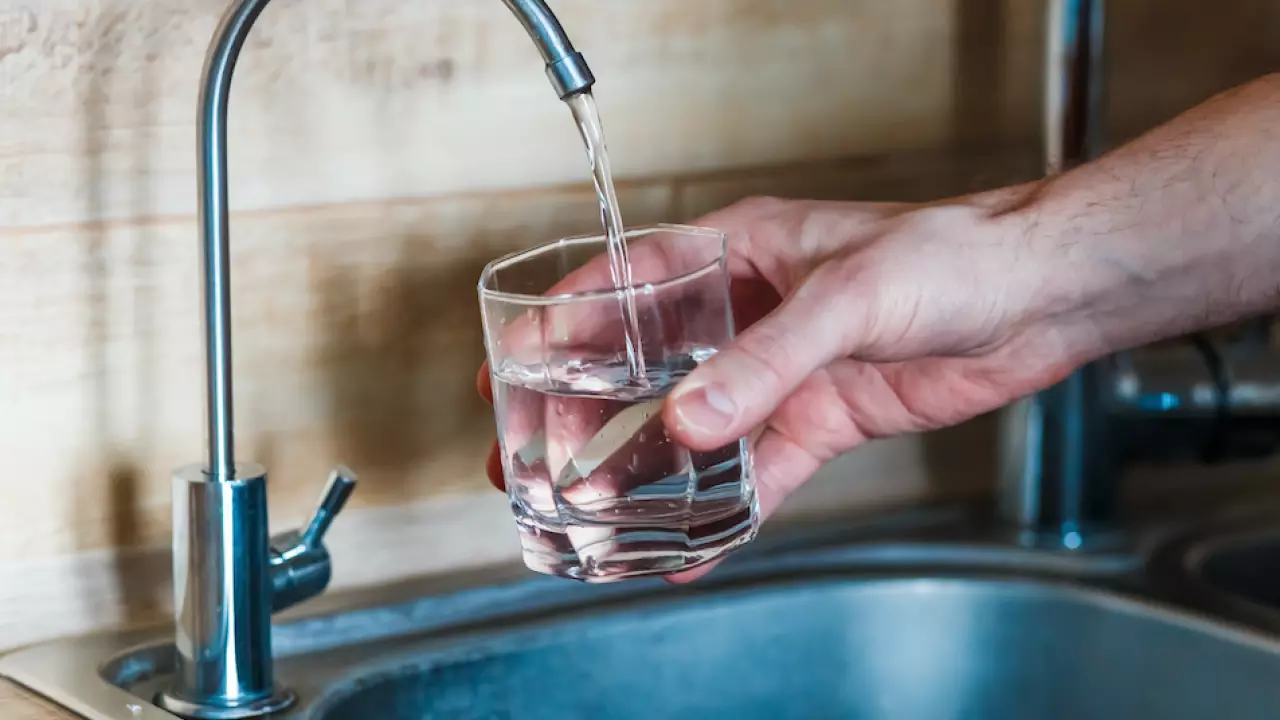


Water filtration systems are a popular and effective way to improve the quality of your household water. They can remove contaminants such as bacteria, viruses, chlorine, and lead, as well as reduce the presence of minerals that can cause hard water or unwanted tastes and odors. Installing a water filtration system can be a DIY project, but it is always a good idea to consult a professional if you are unsure or have any concerns. In this guide, we will go over the steps for installing a water filtration system, including what tools and materials you will need, how to choose the right system for your needs, and how to properly maintain your new system.
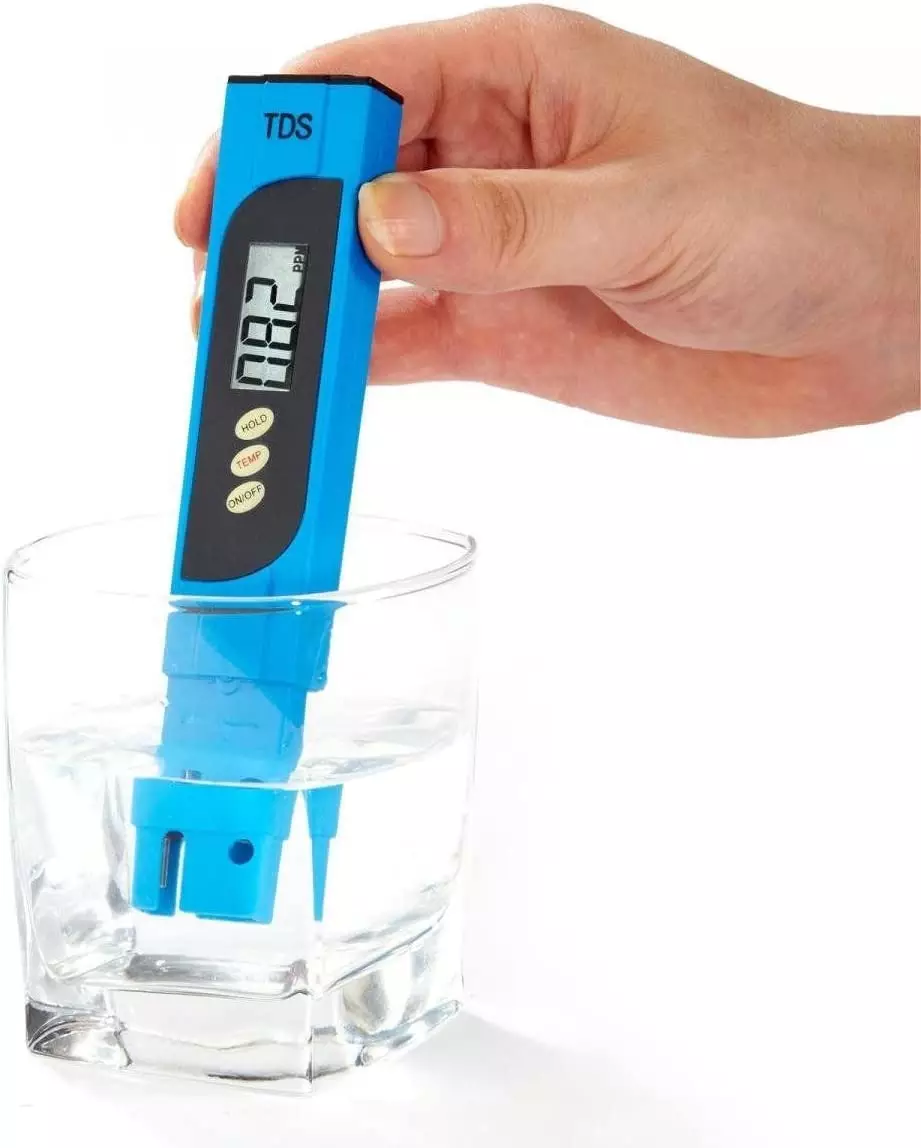
The first step in installing a water filtration system is to determine your specific water quality needs. You can do this by obtaining a water quality report from your local water utility or by having your water tested by a professional. This will help you determine what contaminants and minerals are present in your water and what type of filtration system will be most effective at addressing those issues.
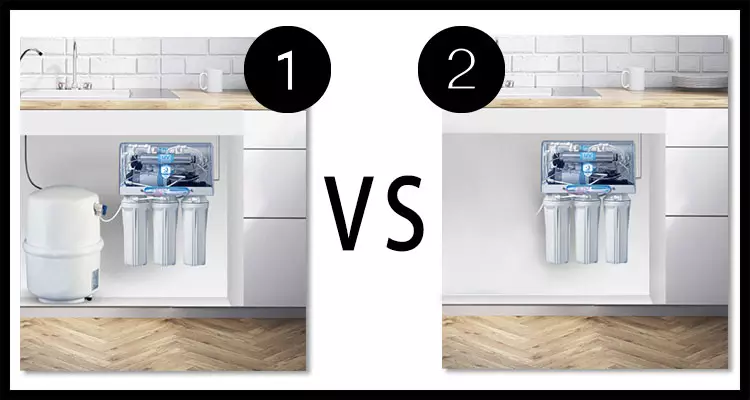
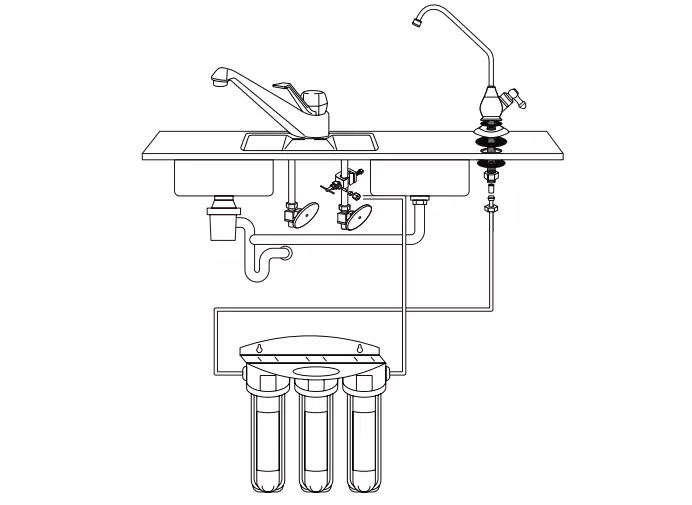
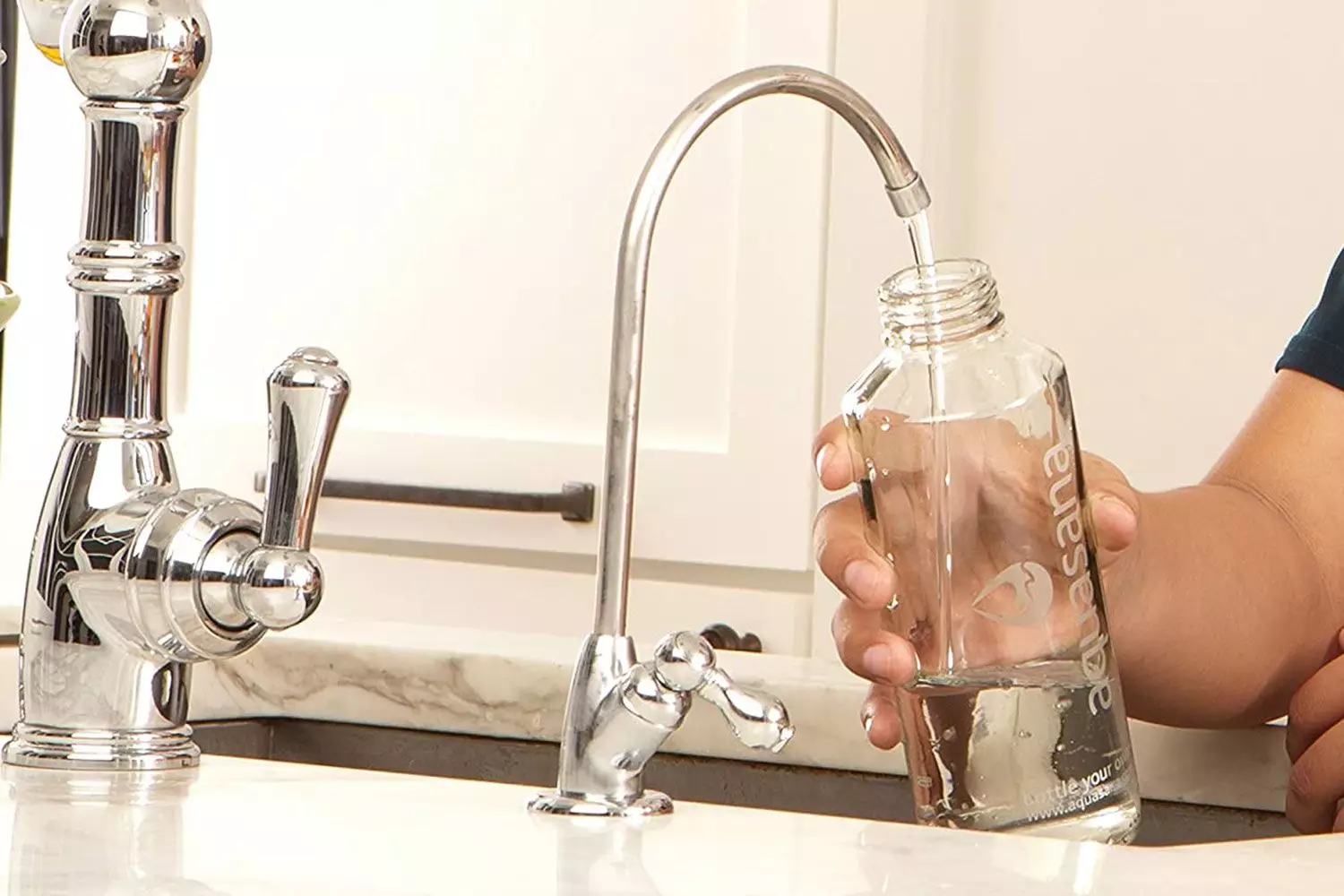
Once you have determined your water quality needs, it's time to choose the right filtration system for your home. There are several types of filtration systems available, including point-of-use systems, point-of-entry systems, and whole-house systems. Point-of-use systems are installed at specific locations, such as under the kitchen sink, to filter the water for a specific faucet or appliance.
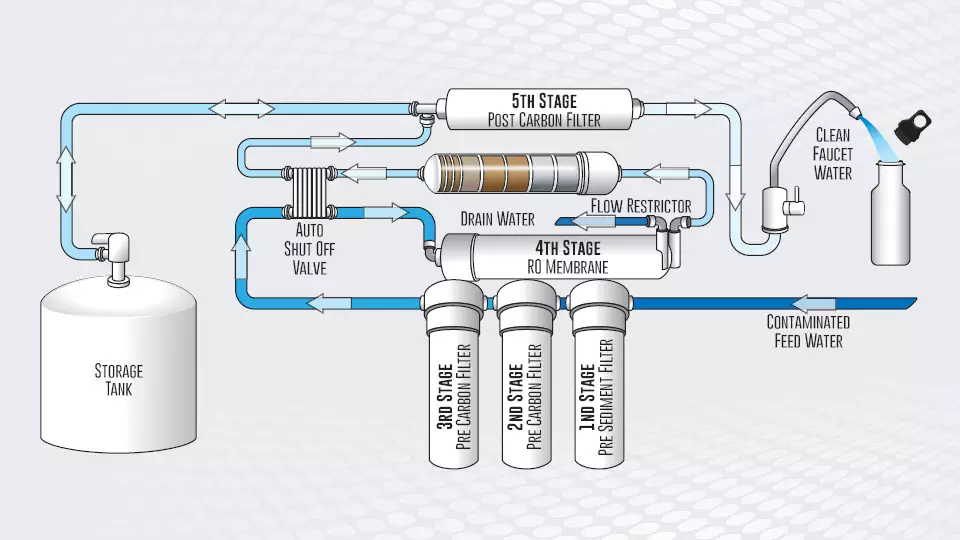
Point-of-entry systems are installed at the main water line coming into the home and filter all of the water that enters the house. Whole-house systems are similar to point-of-entry systems but are typically larger and more comprehensive.
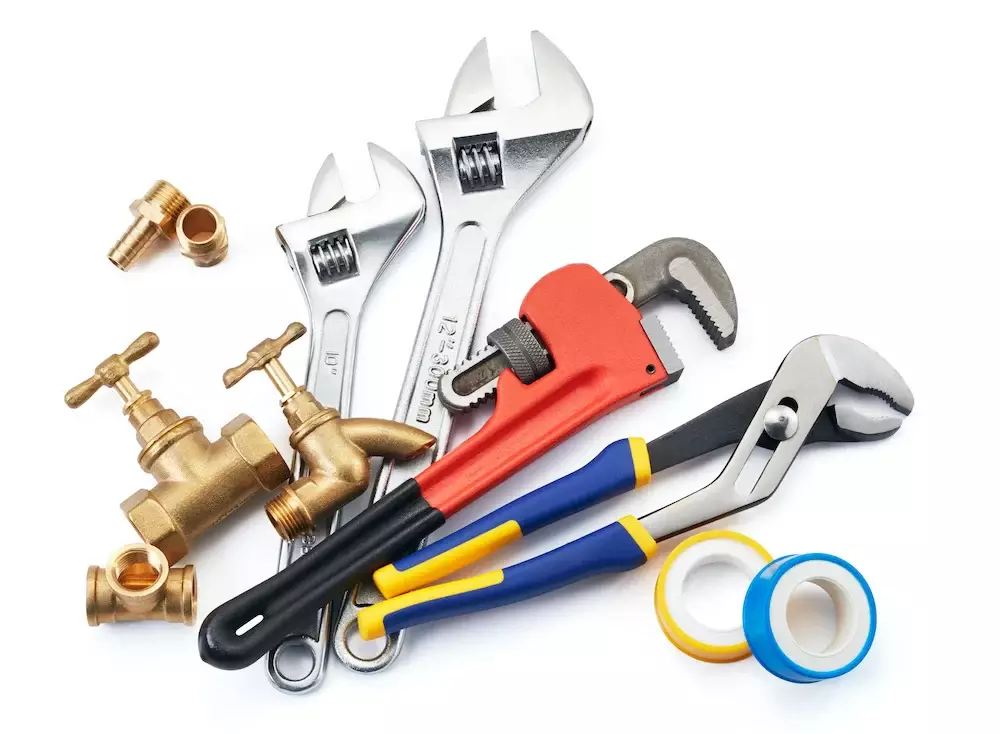
Before you begin the installation process, make sure you have all of the tools and materials you will need. This may include a pipe cutter, adjustable wrench, Teflon tape, and any connectors or fittings specific to your filtration system. You may also need to purchase additional supplies, such as a mounting bracket or a shut-off valve, depending on your system and installation location.
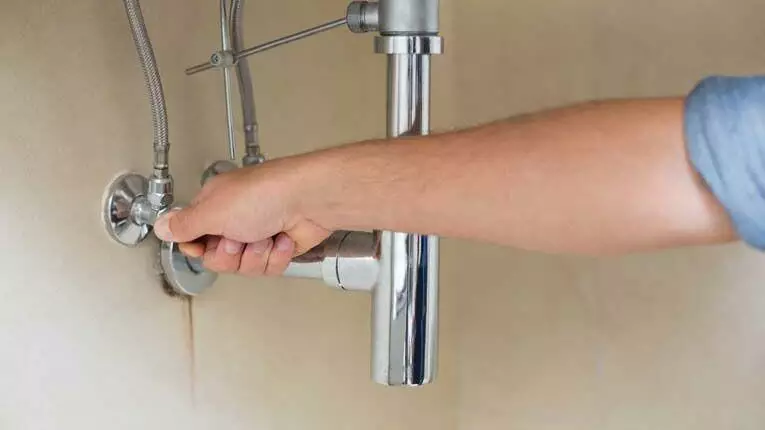
Before you begin any work on your water lines, it is important to shut off the water supply to your home. This can typically be done by locating the main water valve and turning it to the "off" position. If you are unable to locate the main valve or are unsure of how to shut off the water supply, it is best to contact a professional plumber.
Once you have shut off the water supply and gathered your tools and materials, you can begin the installation process. The specifics of this process will vary depending on the type of filtration system you are installing and where you are installing it.
Here are some general steps that may be involved in the installation process:
- If you are installing a point-of-use system, you will need to locate the appropriate faucet or appliance and follow the manufacturer's instructions for installing the system.
- If you are installing a point-of-entry or whole-house system, you will need to locate the main water line coming into your home.
- You will then need to cut into the pipe using a pipe cutter and install the filtration system using the connectors and fittings provided.
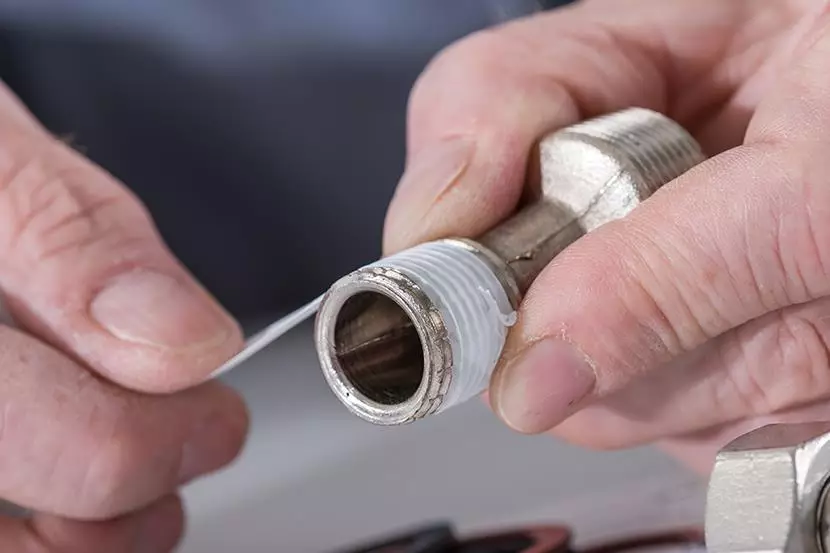
- Be sure to use Teflon tape on all threads to ensure a secure and leak-free connection.
- If you are installing a system that requires a mounting bracket, be sure to follow the manufacturer's instructions for proper installation and mounting.
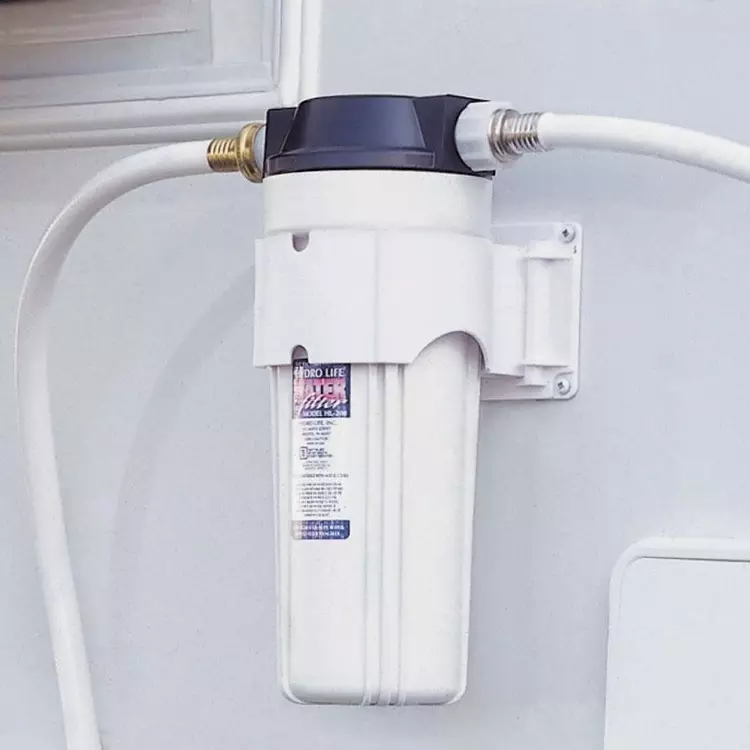
Once you have completed the installation process, it's time to test the system to ensure it is working properly. Turn the water supply back on and run the water through the filtration system for a few minutes to allow any air pockets to clear. Check for any leaks or drips and tighten any connections as needed. You may also want to test the water quality using a home testing kit or by having a professional test it to ensure the system is effectively removing contaminants.
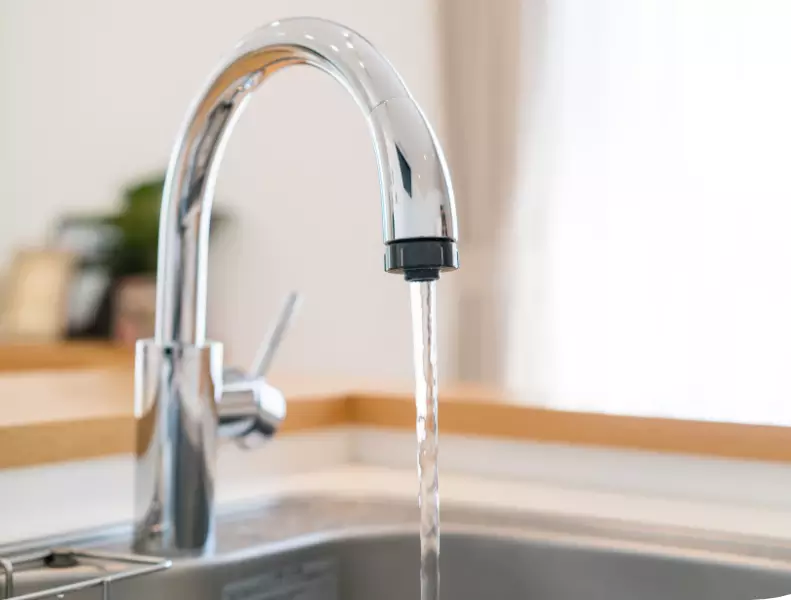
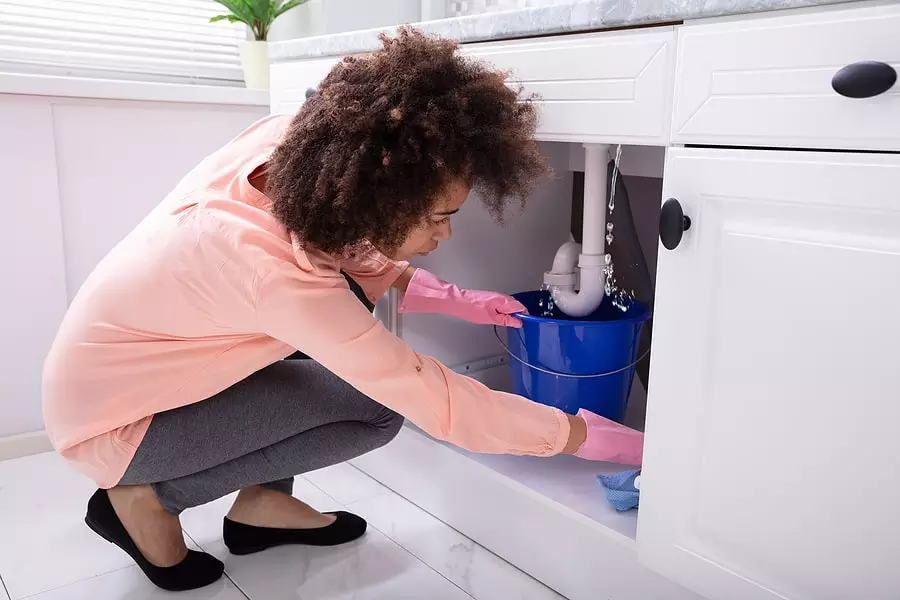
Proper maintenance is key to ensuring the effectiveness and longevity of your water filtration system. Be sure to follow the manufacturer's recommendations for maintaining your specific system, which may include replacing filters or cartridges on a regular basis. It is also a good idea to perform regular inspections of the system to ensure it is in good working order and to address any issues that may arise.
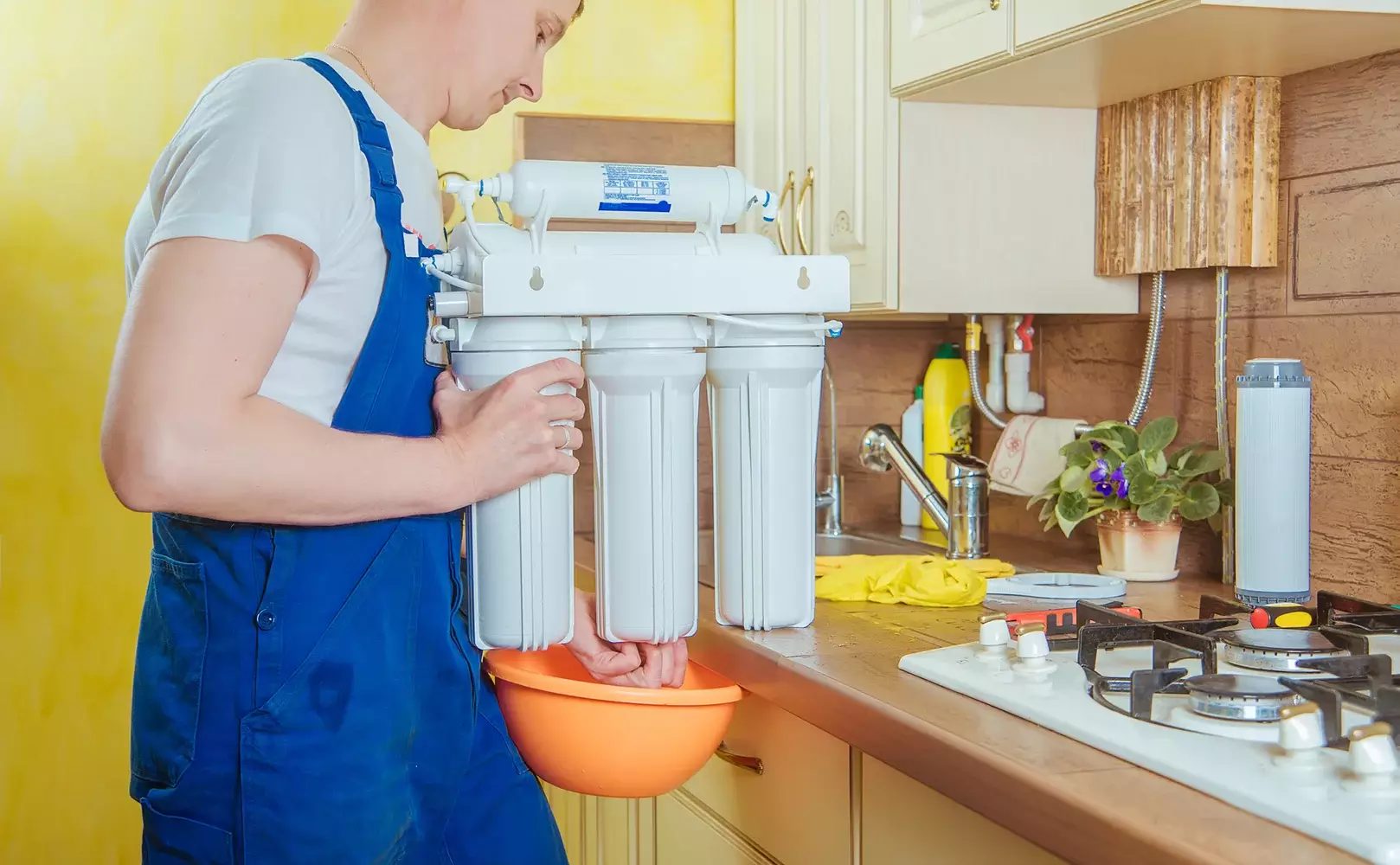
Installing a water filtration system is a simple and effective way to improve the quality of your household water. By following these steps and properly maintaining your system, you can enjoy clean, safe, and great-tasting water for years to come. If you are unsure or have any concerns about the installation process, it is always a good idea to consult a professional plumber or water treatment specialist.