
Your privacy is important to us. We don't use third-party cookies or trackers and we don't store your personal information.


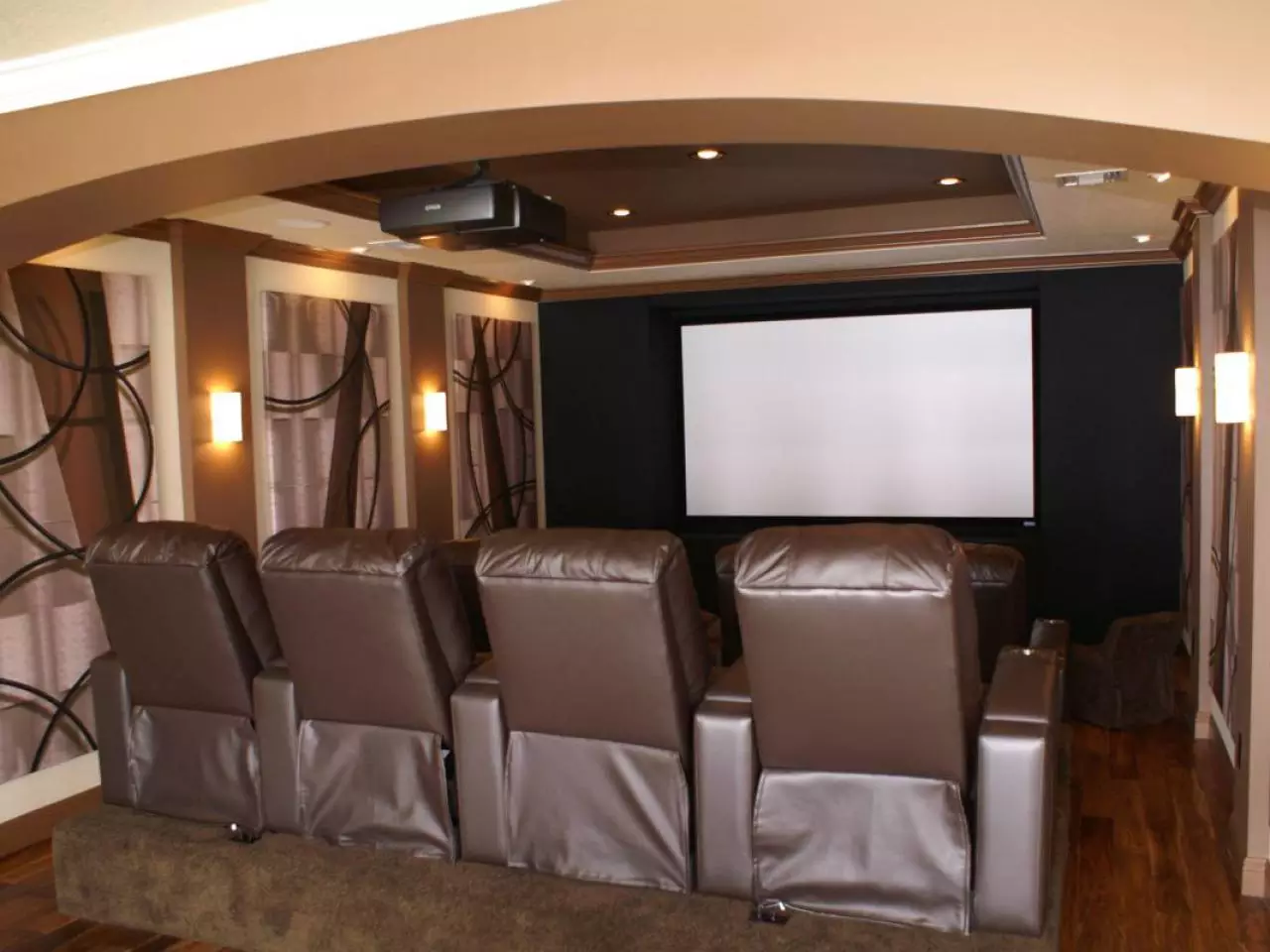


Building a home theater or media room for movies and TV is an exciting and rewarding DIY project. With the right tools and a creative eye, you can create an immersive entertainment space in your own home. From choosing the right TV and sound system to turning a simple room into a fully functioning home theater, this step-by-step guide will help you create the perfect home theater setup for your needs. With a bit of patience and careful planning, you can create the ideal home theater for movies and TV.
When creating a home theater, the first step is to choose the right room. A soundproof space with minimal outside noise and light is ideal. If using a large family room, be sure to close all windows and doors with heavy curtains to create a dark, soundproof environment. Additionally, make sure there is enough space for a large TV, seating, and all components. You may also want to consider amenities such as a refrigerator or wet bar.
Once you've selected the room, it's time to choose the TV. The size and type of TV will depend on the size of the room and your budget. OLED TVs offer the best picture quality, but they are also the most expensive. If cost is not a concern, OLED is the way to go. If you're looking for a more budget-friendly option, LED or LCD TVs are a good choice. A smart TV is also a good investment for easy access to streaming services and apps.
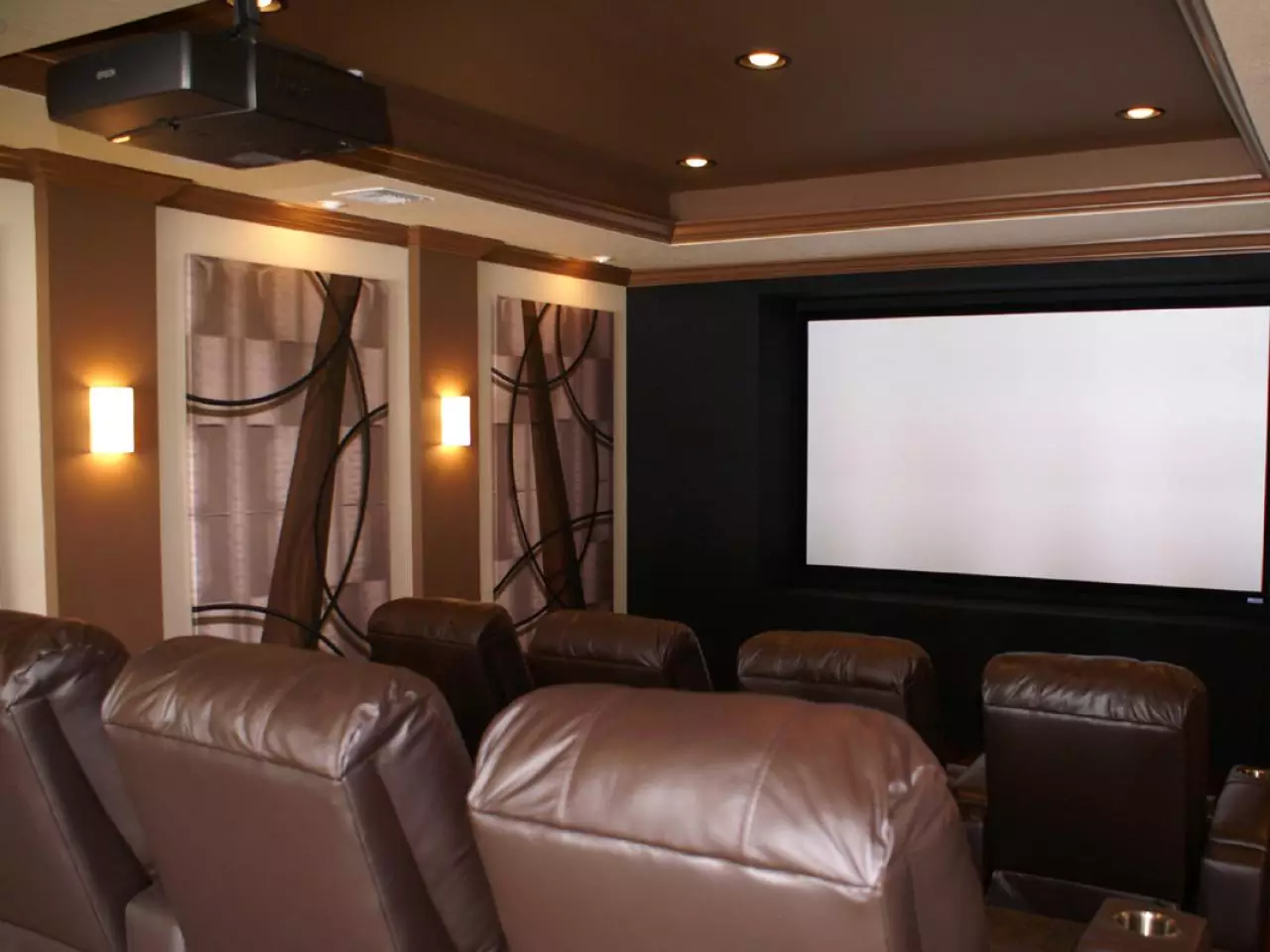
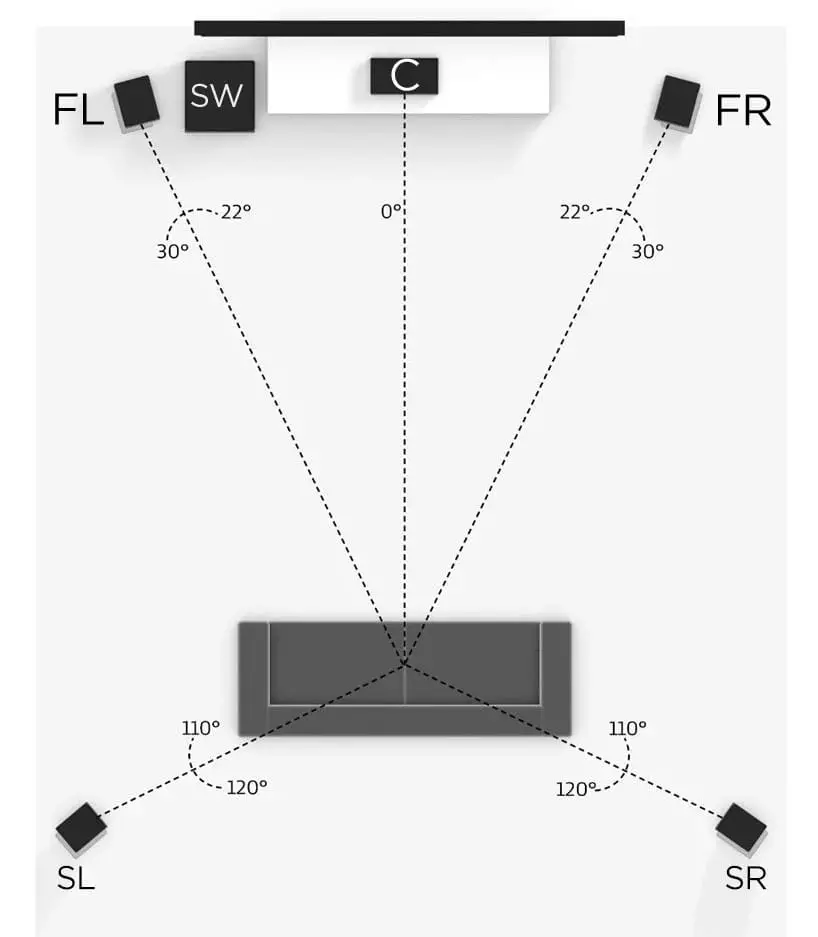
The sound system is an essential part of a home theater setup. Choose a system that accurately reproduces the sound of movies and TV shows. For an immersive experience, a surround sound system is ideal. If you're looking for something more budget-friendly, a soundbar is a good option. A subwoofer is also worth considering for deep bass tones that enhance the overall experience.
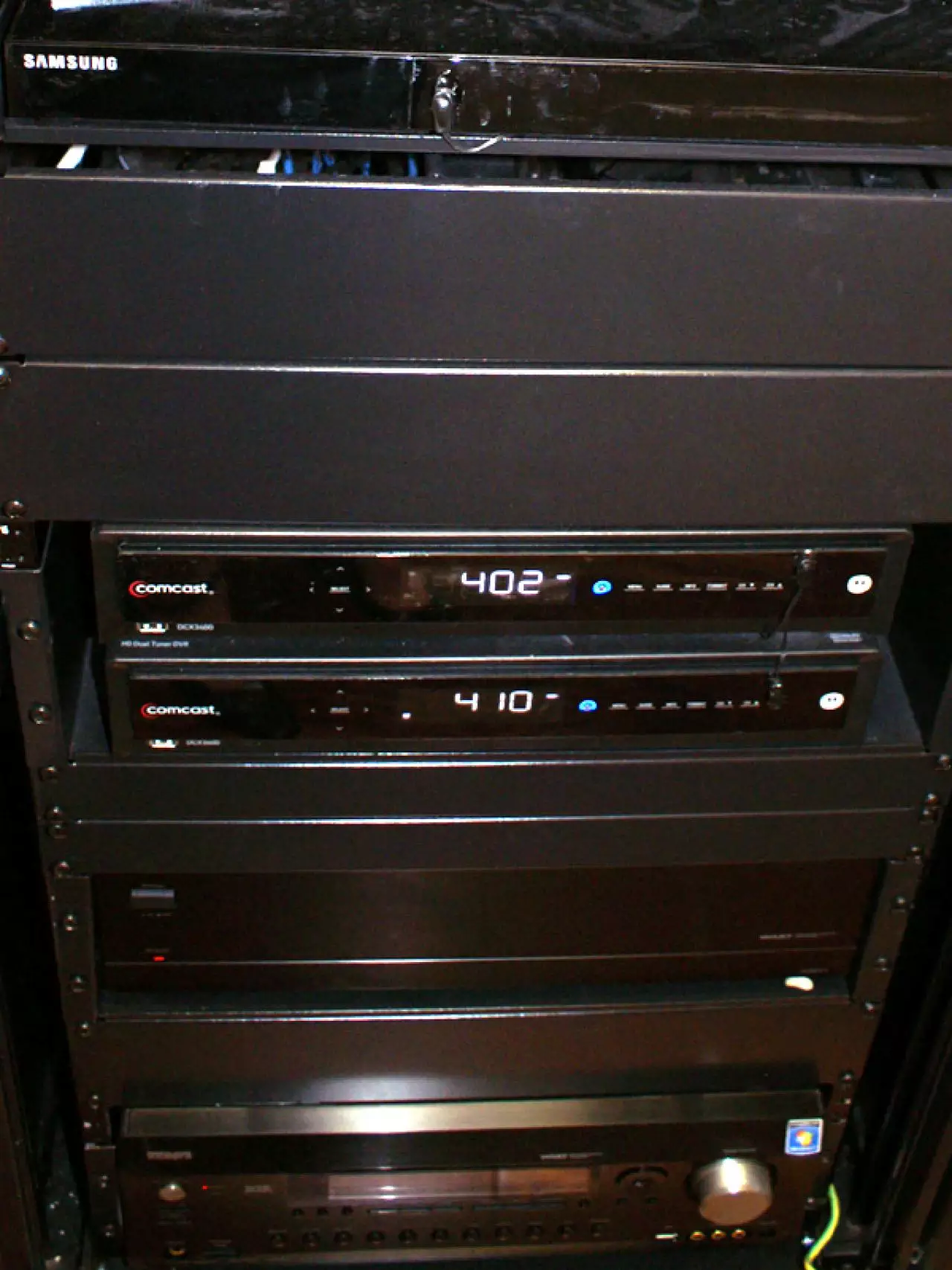
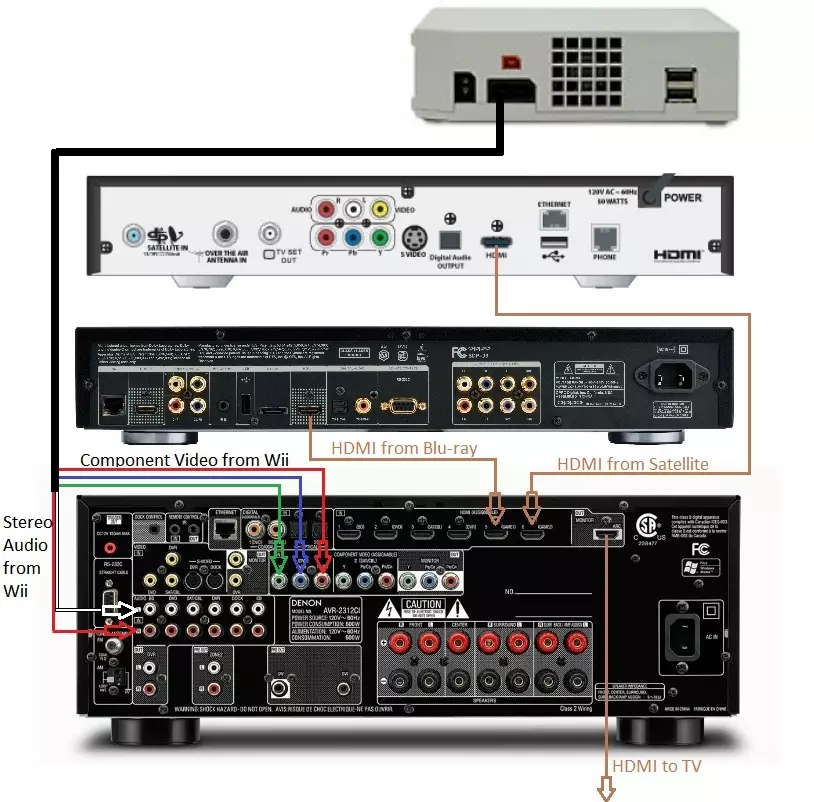
Once you've chosen the TV and sound system, it's time to get the right accessories. This includes an HD media player, gaming console, cable box, Blu-Ray player, and any other equipment you need. Make sure to get the right cables and HDMI switches to ensure smooth operation. A universal remote is also a good investment for controlling all of your devices with one remote.
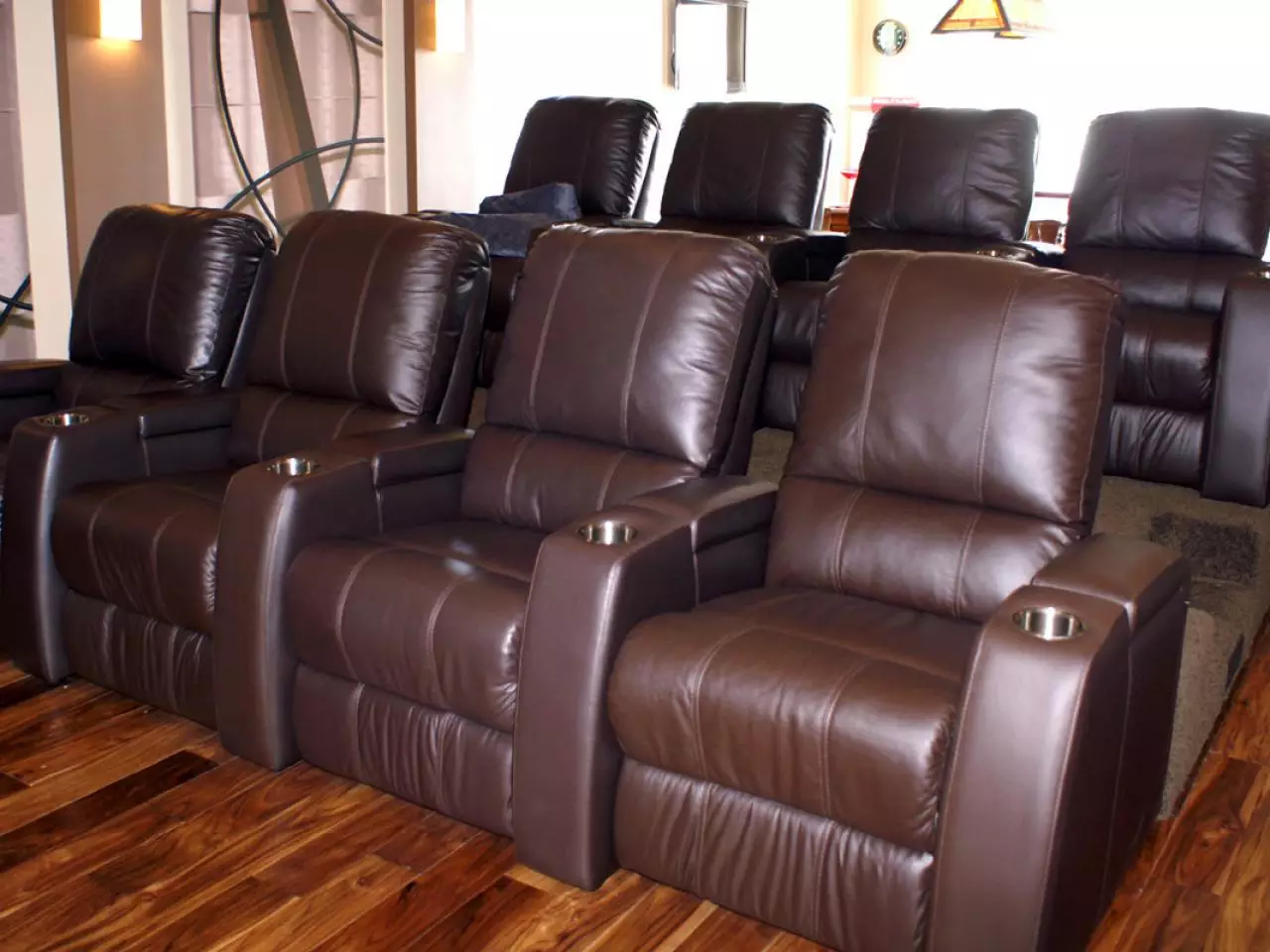
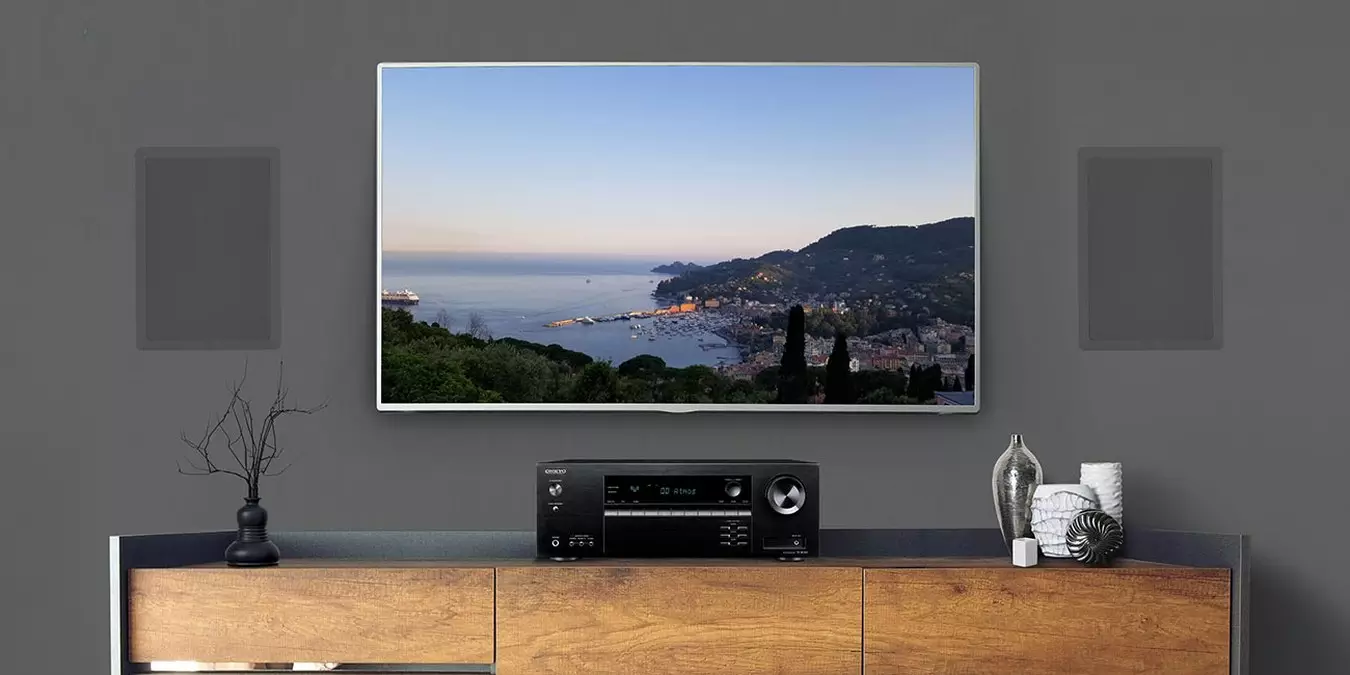
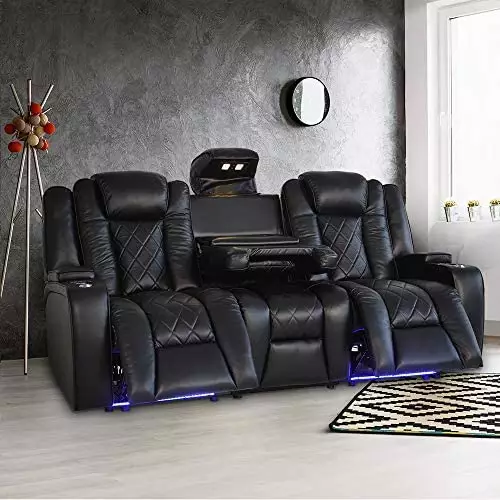
After the TV and sound system are in place, it's time to find the right seating for your home theater. Comfortable, supportive seating that allows for full visibility of the TV is important. In large rooms, recliners or couches are a great option, while theater-style seating or bar stools may be better for smaller rooms. Don't forget to add pillows or blankets for added comfort.
Lighting is also crucial for a home theater setup. The room should be dark enough for an immersive experience, but not so dark that you can't move around easily. Dimmable lighting that can be adjusted for different times of day or types of movies or shows is a good choice. Accent lights can also add to the inviting atmosphere of the room.
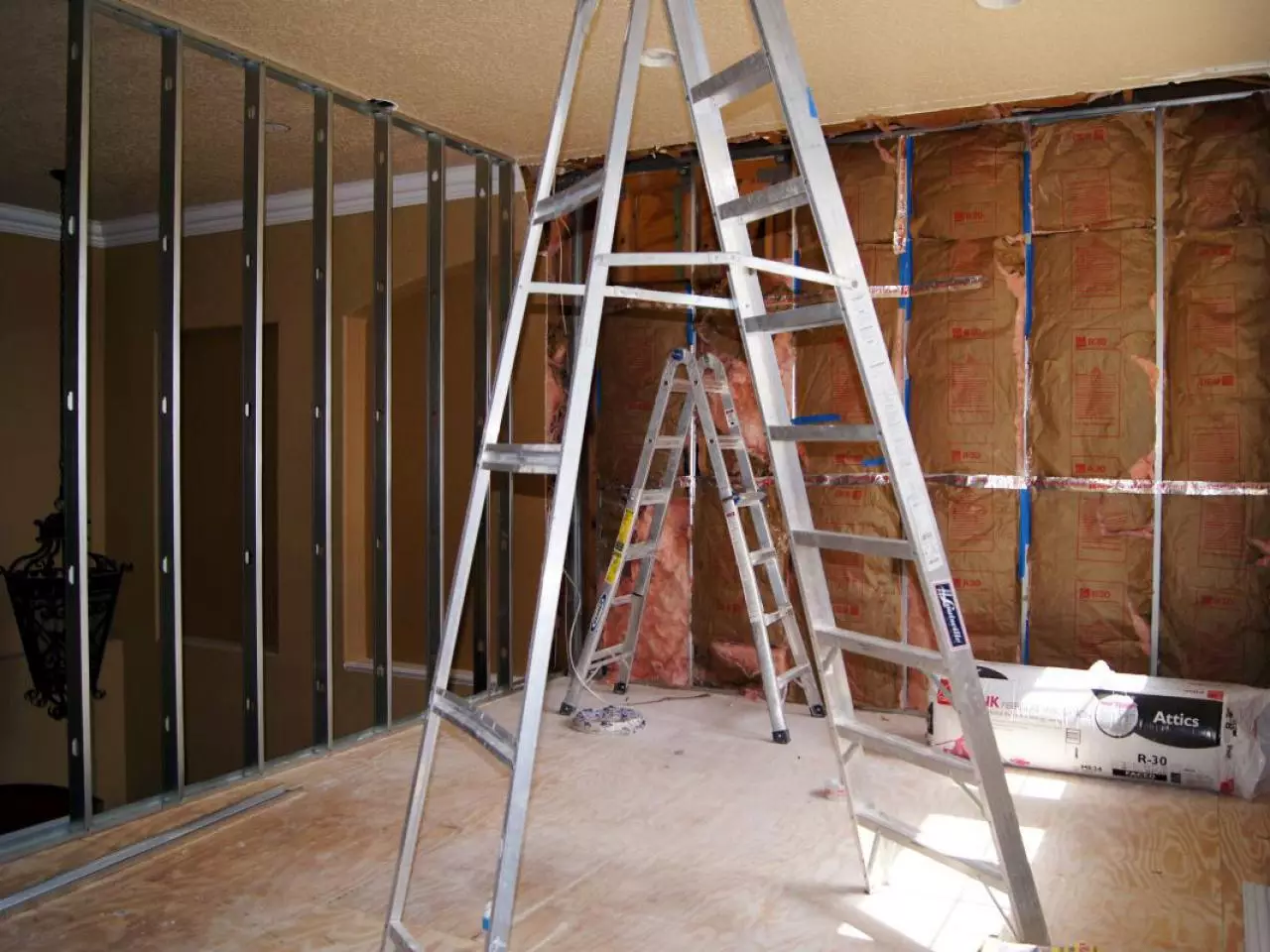
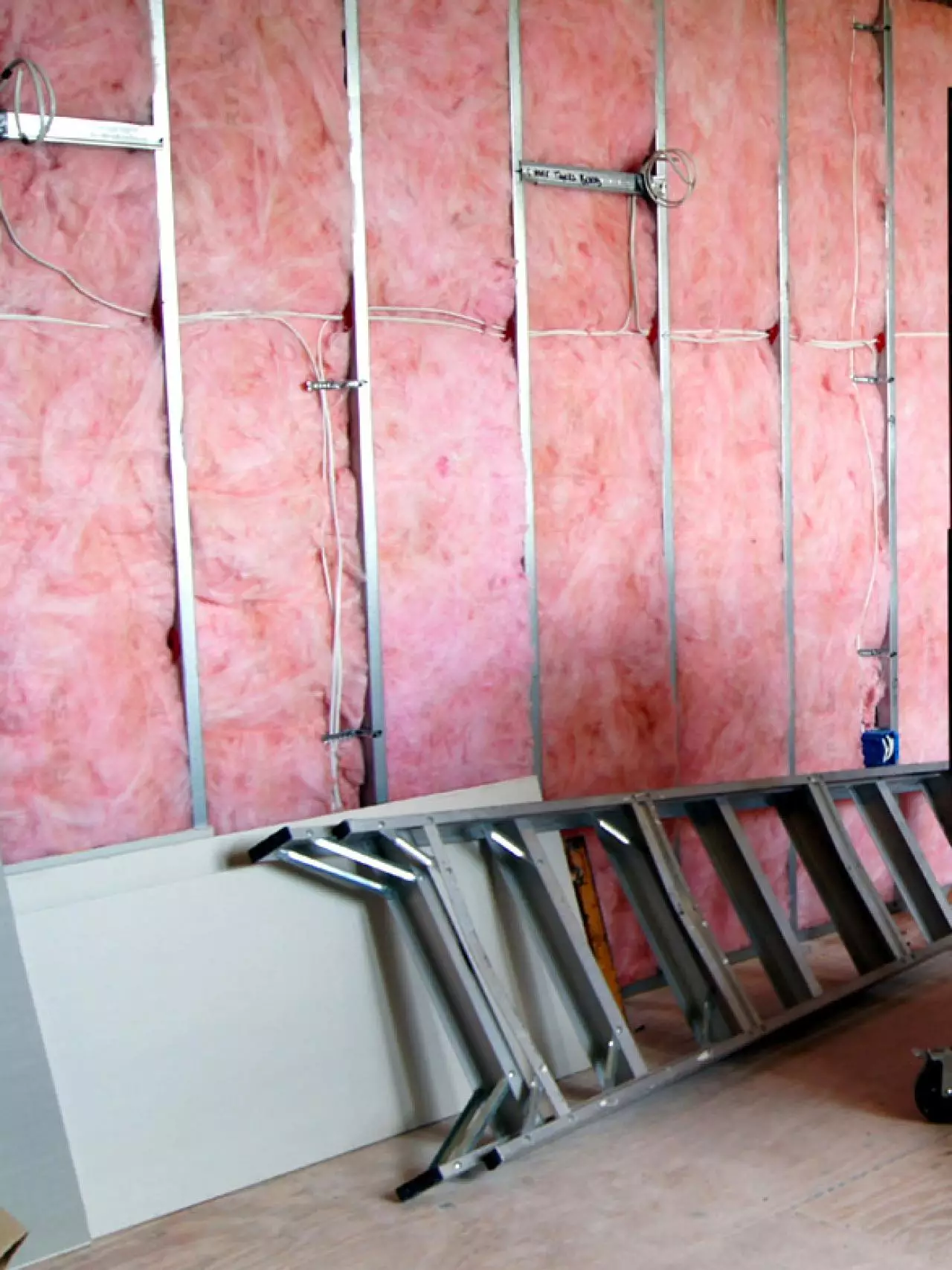
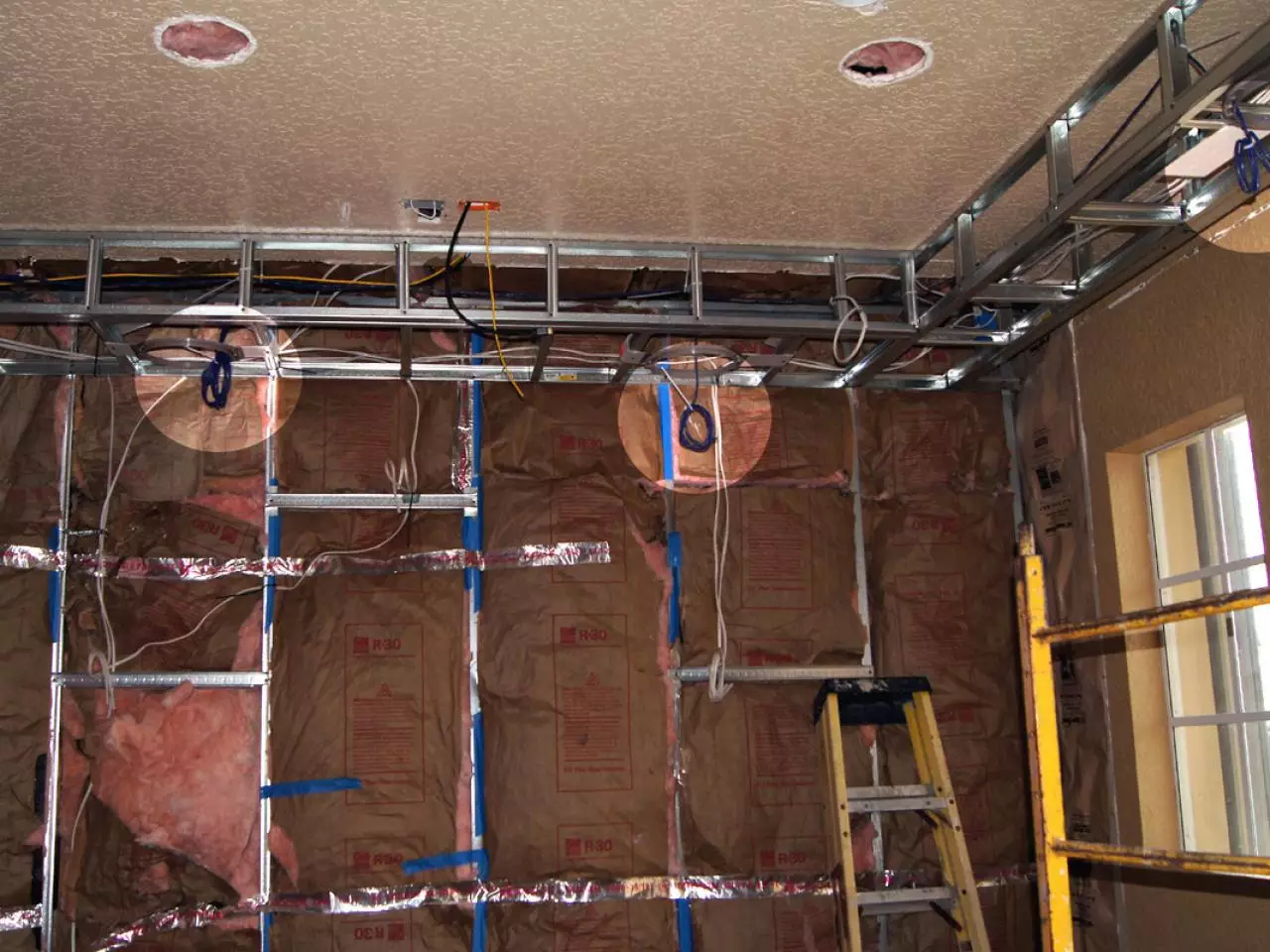
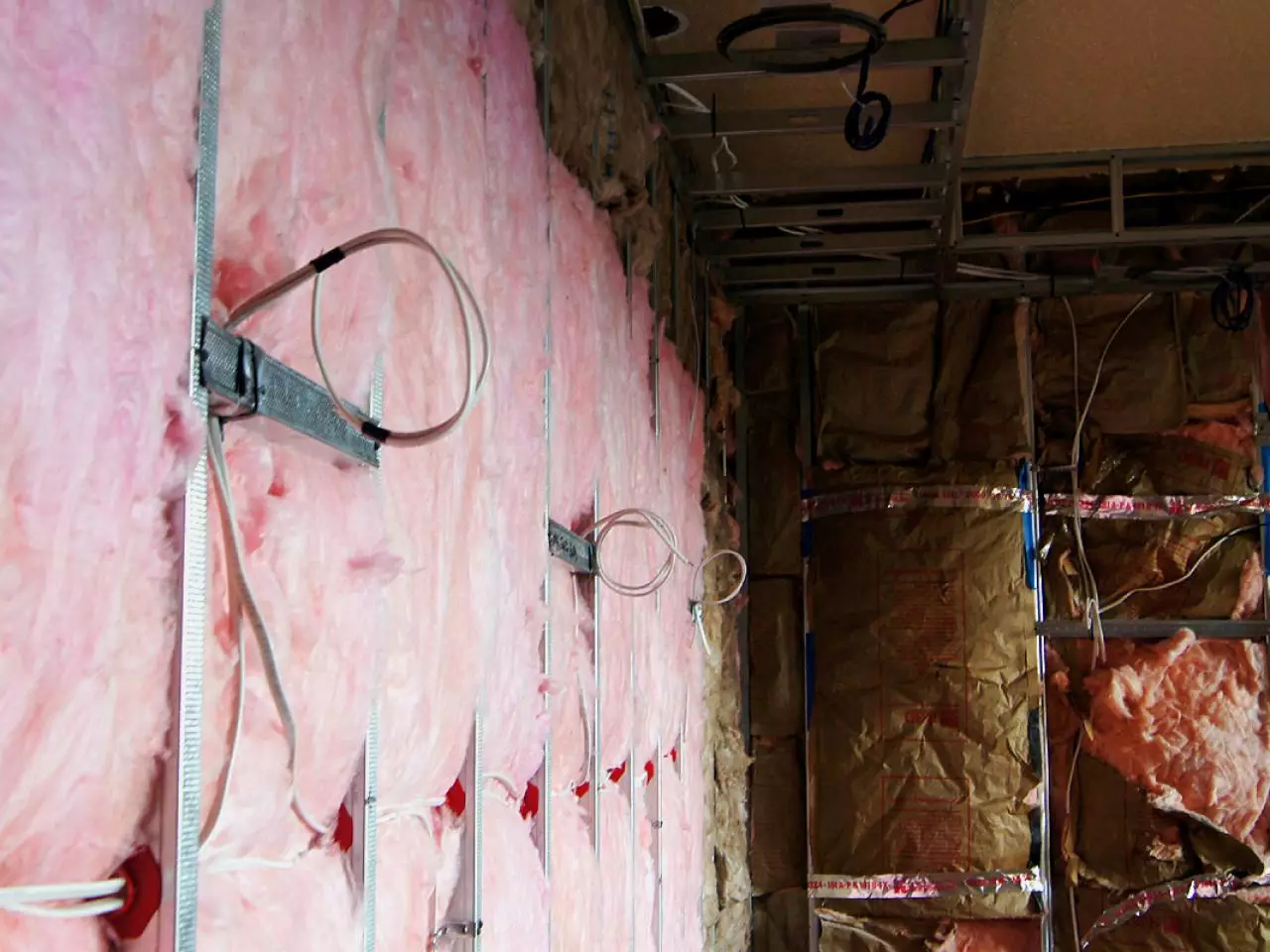
Once you have all the components and accessories in place, it's time to set up the room. Position the TV, sound system, and seating in the right places. Adding some décor, such as posters, art, carpeting or rugs, can also make the space feel more like a home theater. Soundproofing materials on the walls and ceiling can reduce outside noise and enhance the immersive feel of the room.
To set up the system, connect all components and accessories to the TV and sound system. Follow the instructions for each device carefully and test the connections to ensure everything is working properly. Running a calibration program can also help to ensure that the sound is balanced and you're getting the best possible experience.
Once the system is set up, itâs time to configure the settings. This includes selecting the right picture and sound settings for your TV and sound system. Itâs also a good idea to set up the universal remote so you can easily switch between devices. Additionally, consider running a sound calibration program to ensure that your audio is balanced and youâre getting the best experience possible.
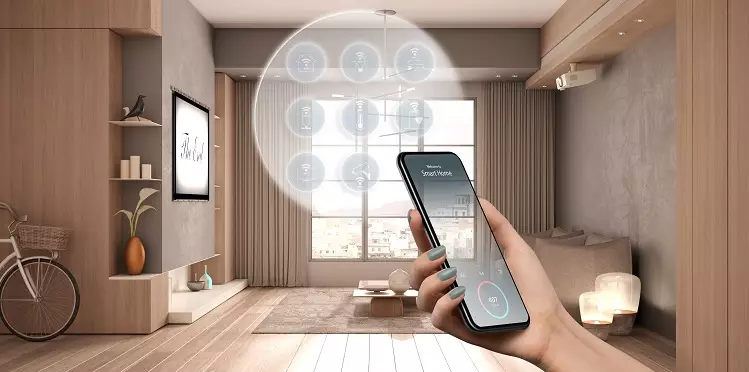
After you've configured the system, you can automate it with various smart home devices. This can include things like voice assistants, lighting controllers, and even smart speakers that allow you to control the system with your voice. Additionally, consider setting up a smart home automation system so you can easily control all of your devices with one remote.
Next, itâs time to create a content library. This includes finding the right streaming services and setting up your favorite apps and channels. Make sure to set up your favorite movies, TV shows, and music so you can easily access them when youâre ready to watch. Additionally, consider setting up a streaming device so you can access content from any source.
Finally, itâs time to enjoy your home theater setup. Sit back, relax, and enjoy your favorite movies, TV shows, and more in your own personal home theater. Additionally, consider adding some snacks and drinks to complete the experience.
Creating a home theater or media room for movies and TV is a rewarding DIY project. With the right tools and a creative eye, you can create an immersive entertainment space in your own home. From choosing the right TV and sound system to turning a simple room into a fully functioning home theater, this step-by-step guide will help you create the perfect home theater setup for your needs. With a bit of time and effort, you can create the perfect home theater for movies and TV. Enjoy your home theater and all the entertainment it brings!